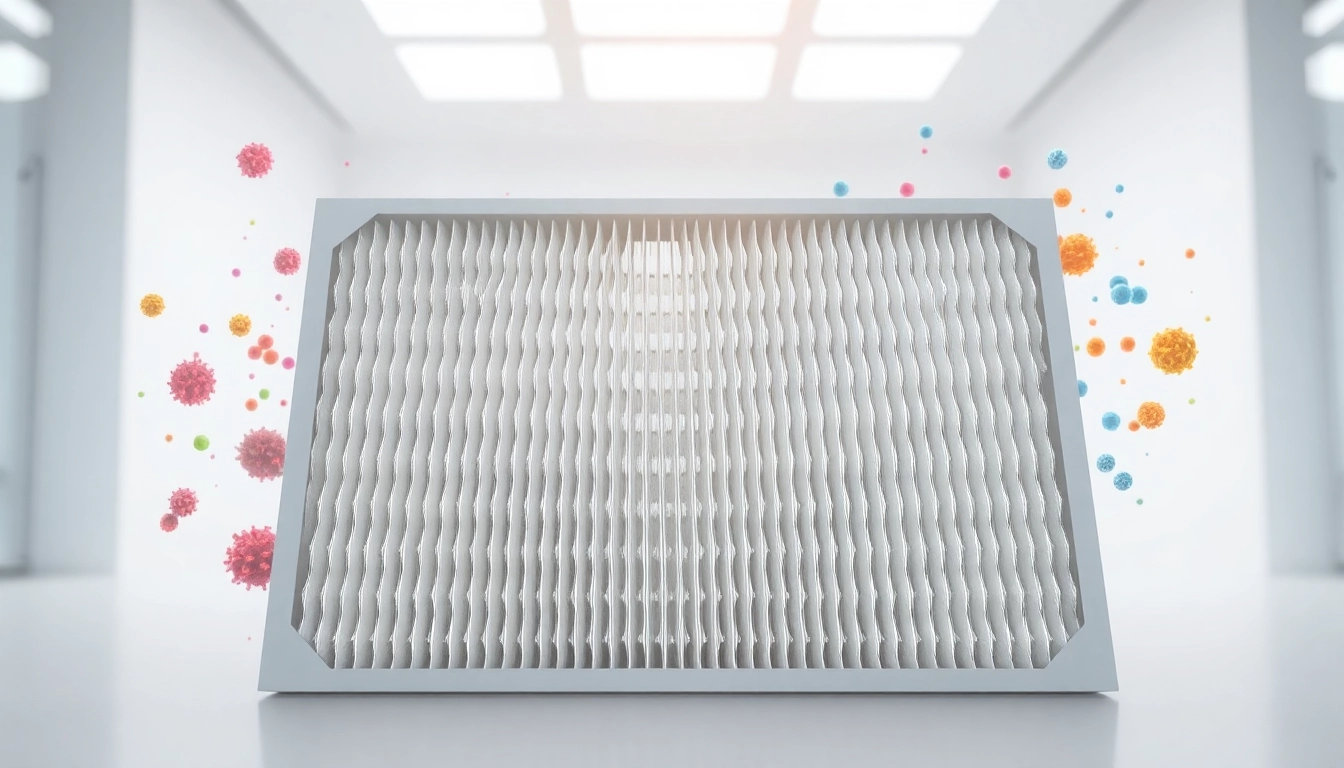
Introduction to HEPA Filters
In an age where air quality has become a vital concern for health and well-being, HEPA filters have emerged as a paramount solution. HEPA filter technology is at the forefront of air purification, offering remarkable performance in capturing airborne particles. This article delves into the world of HEPA filters, exploring their definition, the journey of their development, and the varied contexts in which they are employed.
What is a HEPA Filter?
HEPA, which stands for High Efficiency Particulate Air, refers to a type of air filter that meets specific standards for particle capture efficiency. To qualify as a HEPA filter, it must remove at least 99.97% of dust, pollen, mold spores, and other airborne particles that are 0.3 microns in diameter. This level of filtration is crucial for various settings, from household air purifiers to advanced medical facilities. The effectiveness of HEPA filters lies in their ability to trap particles due to size, rather than relying on chemicals or other processes.
History and Development of HEPA Technology
The inception of HEPA filters dates back to World War II when they were developed to prevent the release of radioactive particles into the air during the Manhattan Project. Initially, these filters were used primarily in nuclear energy applications. Over the years, as understanding of air quality and health evolved, HEPA filters began to be adopted in numerous sectors, including healthcare, aerospace, and home air purification systems. The technology has continually improved, with newer materials and manufacturing techniques enhancing their filtration capabilities.
Common Usage Scenarios
HEPA filters find their place in a diverse array of applications. In residential settings, they are prominent in air purifiers and vacuum cleaners, acting as a powerful defense against allergens and pollutants. In industrial and laboratory environments, HEPA filtration systems are utilized to maintain sterile conditions and safeguard product integrity. Furthermore, medical facilities incorporate HEPA filters in operating rooms and isolation units, ensuring air quality that significantly reduces the risk of airborne infections.
Benefits of Using HEPA Filters
The advantages of employing HEPA filters are manifold, leading to improved health outcomes, enhanced air quality, and long-term savings. Below, we break down these benefits into three key areas.
Health Improvements and Air Quality
One of the primary benefits of HEPA filters is their ability to improve indoor air quality (IAQ). Poor IAQ has been linked to various health issues, including respiratory problems, allergies, and even cognitive decline. HEPA filters effectively capture fine particulate matter, including smoke, pet dander, and dust, thereby contributing to cleaner and healthier air in homes and workplaces. Numerous studies have demonstrated the positive impacts of cleaner air on overall health, particularly in vulnerable populations, such as children and the elderly.
Increased Particle Capture Efficiency
Compared to standard air filters, HEPA filters showcase superior particle capture efficiency. Their design incorporates dense layers of fine media that create a tortuous path for incoming air, allowing only the smallest particles to penetrate. This high efficiency is crucial in settings where air quality must be strictly controlled, such as laboratories that handle hazardous materials, and in environments with sensitive equipment, like computer servers.
Longevity and Maintenance Considerations
Another compelling advantage of HEPA filters is their longevity when properly maintained. Most HEPA filters can last anywhere from six months to several years depending on usage conditions and environmental factors. Regular cleaning and timely replacements are essential to maintain their efficacy. Older models may require more frequent changes, while newer variants with advanced materials might offer more extended service life, providing value for money.
Choosing the Right HEPA Filter
With various types of HEPA filters available on the market, selecting the most appropriate filter for your needs can be a daunting task. This section can help clarify the essential features to consider when making your choice.
Key Features to Look For
When choosing a HEPA filter, consider factors such as the filter’s capture efficiency, airflow resistance, size compatibility with your device, and its specific design features like activated carbon layers that enhance odor removal. Additionally, ensure that the filter complies with established standards, such as those set by the U.S. Department of Energy (DOE) or the European Norm (EN) standards. These factors collectively determine the effectiveness and suitability of the filter for your specific application.
Comparing Different HEPA Filter Brands
Not all HEPA filters are created equal. Leading brands may offer advanced filtration technologies, higher durability, and better customer support. When comparing brands, look for independent reviews and certifications. User feedback can provide insights into durability and filtration performance, helping you make an informed decision on which product offers the best value.
Understanding Filter Ratings and Standards
HEPA filters can be rated according to various standards, including H10, H11, H12, H13, and H14 according to EN 1822 classifications. The higher the classification, the more proficient the filter is at capturing smaller particles. Understanding these ratings is crucial for users to select filters that meet their needs without compromising on efficiency. Additionally, look for filters that are certified by organizations like the HEPA Alliance or receive endorsements from air quality associations.
Applications of HEPA Filters
HEPA filters are versatile tools capable of serving a wide range of applications across several sectors. Here, we explore their uses in various environments.
Industrial and Laboratory Use
In industrial settings, HEPA filters are crucial for maintaining cleanroom standards in manufacturing processes, particularly in pharmaceuticals and electronics. These filters are designed to prevent contamination by capturing airborne particles that could interfere with production quality. Laboratories also utilize HEPA filters in biosafety cabinets to provide a sterile work environment, ensuring safety for lab personnel and preserving sample integrity.
Residential Air Purifiers
For homeowners looking to improve their indoor air quality, HEPA filters incorporated in air purifiers and HVAC systems provide an effective solution for reducing allergens and pollutants. Particularly for individuals with allergies or respiratory issues, using a HEPA-equipped air purifier can substantially alleviate symptoms and enhance comfort in living spaces. Newer models might also offer smart features like air quality monitoring and filter status alerts, allowing users greater control over their indoor air quality.
Healthcare and Medical Facilities
Within healthcare environments, the use of HEPA filters is indispensable in preventing the transmission of airborne pathogens. Surgical rooms, intensive care units, and isolation rooms often include HEPA filtration systems to safeguard both patients and staff. The prevalence of antibiotic-resistant infections accentuates the need for stringent air quality measures, making HEPA filters an essential component in infection control strategies.
Future Trends in HEPA Filter Technology
The landscape of HEPA filter technology is continuously evolving, shaped by innovations aimed at enhancing efficiency and sustainability. This section discusses emerging trends and future directions.
Innovations in Filtration Materials
Recent advancements in filtration materials have led to the development of more effective HEPA filters, which are not only better at capturing particulate matter but also more energy-efficient. Innovations include the use of nanofibers that increase surface area and filtration capabilities, while also reducing airflow resistance. The integration of electrostatic properties into filters can further enhance their efficiency, making them more effective at capturing a wider range of particles.
Sustainable Practices in HEPA Production
As sustainability becomes a pressing global issue, HEPA filter manufacturers are progressively adopting eco-friendly practices. This includes using recyclable materials in filter construction and implementing energy-efficient manufacturing processes. Some companies are also exploring bio-based materials that minimize environmental impact while maintaining high filtration performance. Sustainability not only benefits the planet but can also enhance consumer perception and preference for brands committed to green practices.
Potential Market Developments
The demand for HEPA filters is expected to grow, driven by increased awareness of air quality issues and stricter regulatory requirements. Emerging markets in developing countries are beginning to embrace air purification technology, creating new opportunities for manufacturers. Moreover, the integration of smart technology into filtration systems, such as IoT connectivity for performance tracking, is becoming a significant trend that may redefine consumer expectations and service models.