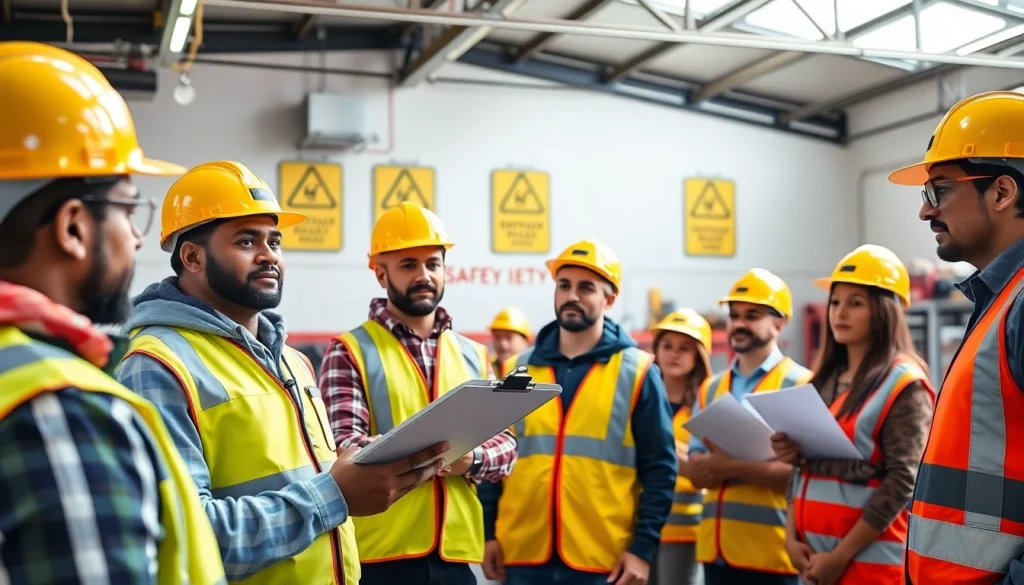
Understanding the Importance of Construction Safety Training
Why Safety Training is Vital in Construction
Construction sites are known for their inherent risks, where hazardous conditions can lead to accidents and injuries. According to the Occupational Safety and Health Administration (OSHA), the construction industry consistently has one of the highest rates of occupational fatalities. Implementing effective construction safety training programs is crucial in mitigating these risks and ensuring a safer working environment for employees.
When workers are equipped with the right knowledge and skills to handle potential dangers, the probability of accidents diminishes significantly. Safety training instills a culture of safety awareness, which translates into behavioral changes that prioritize precaution and proactive measures.
Legal Requirements for Construction Safety Training
Legal mandates play a critical role in shaping the construction safety training landscape. Federal and state agencies require specific training protocols aimed at minimizing workplace hazards. Compliance with OSHA standards is mandatory, necessitating that employers provide appropriate safety training relevant to the tasks at hand. Failure to adhere to these regulations can lead to severe legal repercussions and increased liability for contractors and employers.
Impact of Safety Training on Workforce Productivity
Beyond compliance and injury prevention, safety training has a positive ripple effect on overall workforce productivity. When workers are trained effectively, their confidence levels rise, allowing them to perform their roles with greater efficiency. A robust safety culture can lead to lower absenteeism and turnover, creating a more stable work environment. Moreover, companies that prioritize safety training often benefit from improved morale and loyalty, which contribute to long-term organizational success.
Key Components of Effective Construction Safety Training
Identifying Common Hazards in Construction
An essential first step in construction safety training is identifying common hazards on-site. These may include equipment operation, scaffolding risks, electrical exposures, and hazardous materials. By addressing these specific threats within the training program, organizations can provide tailored solutions that resonate with workers and reflect real-world conditions they will face.
Developing a Comprehensive Training Program
A comprehensive training program goes beyond mere compliance; it encompasses all aspects of workplace safety. This involves setting clear objectives, employing various training methods (such as on-the-job training, workshops, and e-learning), and ensuring that all workers, from laborers to management, participate. Additionally, the program must be regularly updated to integrate new safety practices, technologies, or regulatory changes.
Using Technology in Construction Safety Training
Technology is revolutionizing the way safety training is delivered in the construction industry. Virtual reality (VR) and augmented reality (AR) simulations offer immersive training sessions that prepare workers for real-life scenarios effectively. Using mobile apps can facilitate ongoing training and instant access to safety protocols, further enhancing training’s relevance. Incorporating technology not only engages workers but also provides valuable data to improve training methods continuously.
Best Practices for Delivering Construction Safety Training
Interactive Methods to Engage Learners
Interactive training methods encourage active participation, leading to better retention of information. Utilizing hands-on demonstrations, group discussions, and practical exercises helps workers internalize safety procedures. Engaging learners through role-playing scenarios or gamification can also make training more enjoyable and relatable, fostering a supportive learning atmosphere.
Measuring Training Effectiveness
To ensure that safety training initiatives yield positive outcomes, measuring their effectiveness is crucial. Employers can adopt various assessment methods, including quizzes, feedback sessions, and performance evaluations. Tracking incident rates before and after training implementation provides concrete evidence of improvements. Continuous monitoring and refining of training programs based on this data helps maintain high standards of safety.
Continuous Improvement in Training Programs
Continuous improvement should be at the heart of any safety training program. Regularly soliciting employee feedback, reviewing incident reports, and staying updated with industry best practices can provide insights for enhancements. A dynamic training approach not only empowers employees but also lays the groundwork for a stronger safety culture within organizations.
Real-World Examples of Construction Safety Training Success
Case Studies of Improved Safety Records
Examining case studies from various construction projects highlights the effectiveness of tailored safety training programs. For instance, implementing a hazard recognition training session led to a notable drop in accidents on a major construction site. This practical illustration shows how strategic training directly correlates with improved safety records.
Innovative Training Approaches from Industry Leaders
Industry leaders are often at the forefront of innovative safety training approaches. Companies have increasingly turned to virtual reality to redesign their training methodologies. By providing realistic simulations, workers can practice safety techniques in a controlled environment before facing actual job-site risks. These industry innovations set benchmarks that other companies can strive to emulate.
Lessons Learned from Safety Training Failures
Not every safety training implementation is smooth, and failures provide valuable lessons. Analyzing instances where training did not yield expected safety outcomes sheds light on critical aspects that must not be neglected, such as worker engagement and contextual relevance. Learning from these experiences can help organizations refine their training approaches and enhance their overall safety cultures.
Frequently Asked Questions about Construction Safety Training
What is construction safety training?
Construction safety training is an educational program designed to instruct workers on recognizing hazards and implementing safe practices on construction sites, aiming to prevent accidents and injuries.
How often should construction safety training be conducted?
Training frequency can vary depending on regulations and project needs. Typically, refresher training occurs annually or when new equipment or procedures are introduced.
What topics are covered in construction safety training?
Common topics include hazard recognition, personal protective equipment (PPE), safe equipment operation, fall protection, and emergency response procedures.
Who is responsible for conducting safety training?
The responsibility falls on employers to provide safety training, ensuring it is comprehensive and meets regulatory standards. Qualified personnel typically deliver the training.
How can I assess the effectiveness of safety training?
Assessment can include employee feedback, incident tracking, and performance evaluations post-training to measure improvement in safety behaviors and knowledge retention.