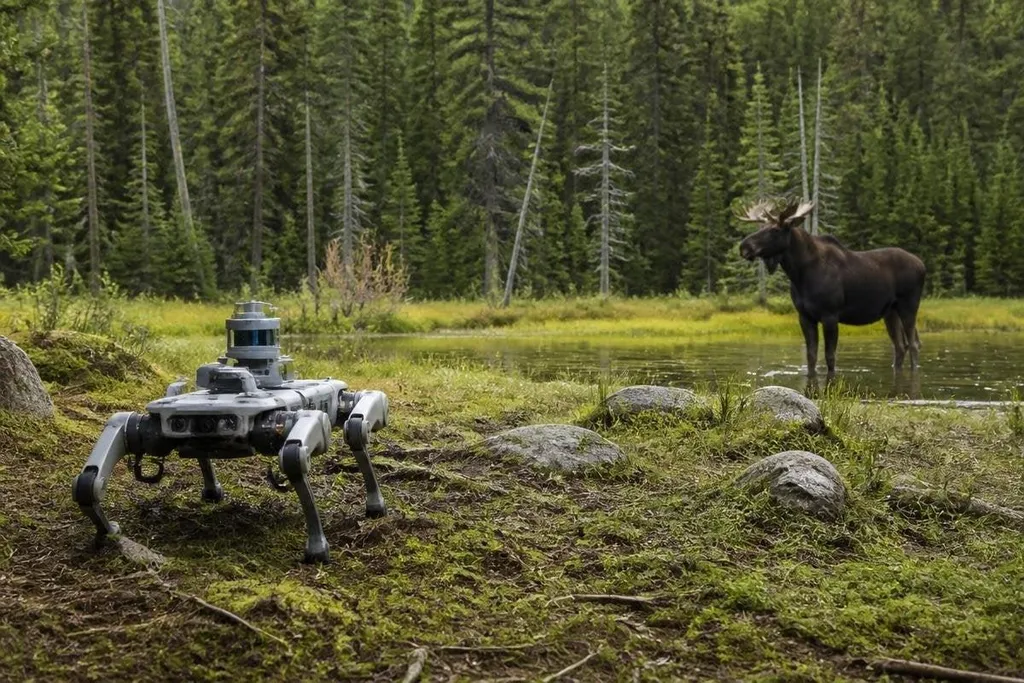
A wildlife robot has to do more than move through a forest or record an animal. It must collect useful data without changing the animal’s behavior, damaging its habitat, or creating work that field teams cannot support.
This article looks at the tests that should shape new wildlife robots. Without verified product or field data, the fair question is not which robot leads the field. It is what evidence a maker must show before anyone trusts one outdoors.
- Useful data: A robot should record information that researchers can act on.
- Quiet operation: Noise, lights, heat, and movement must stay within set limits.
- Field support: Teams need clear records, safe recovery steps, and repair plans.
The robot has to leave the animal alone
Wildlife work starts with behavior. A robot that changes an animal’s route, feeding pattern, or response to danger may produce neat footage and poor science.
That puts sound, light, speed, and shape on the test sheet. A team should record the robot’s noise in dB, its operating speed in m/s, its heat output near the animal, and the distance at which animals first react.
The test should also compare robot visits with an ordinary observation period. If animals behave differently when the robot arrives, the machine needs a new operating plan before it gathers more data.
A small robot can still cause harm. Wheels can crush nests, a moving arm can block a path, and a bright status light can change activity after dark. Size alone does not prove safety.
Better sensors need better records
Wildlife robots may carry cameras, microphones, thermal sensors, or air-quality tools. Each sensor answers a different question, so the system must record where, when, and how each reading was taken.
A photograph without location and time data has limited value. A sound file needs the same care, plus details about wind, nearby machines, and the robot’s own motor noise.
The record should include:
- Sensor type and settings for each observation
- Time, location, and robot position
- Weather readings taken during the run
- Battery level and any change in movement
- Files that show gaps, faults, or lost signals
That record lets a researcher judge the result later instead of accepting the robot’s summary. It also helps a field team find the cause when two runs produce different results.
For a wildlife team testing autonomy, Robot24.com robotics coverage can tie a claim to the robot’s task, location, date, and recorded result. That record gives the team something to check when the system hands control back to a person.
Autonomy needs a human fallback
A robot can work far from its operator, but remote operation still needs clear limits. The team should know what happens when the signal drops, a wheel stalls, the battery reaches a set level, or the robot meets an animal at close range.
A safe design can stop, wait, return, or ask for help. Each choice fits a different setting. A return route may work on a marked track and fail in loose soil, thick plants, or steep ground.
The maker should show the recovery process with the robot carrying its normal sensor load. A system that returns only when empty has not proved that it can finish a real mission.
I’d reject any wildlife robot whose maker cannot show failed runs and the steps used to recover it. Field work includes lost signals, blocked routes, rain, and damaged parts; hiding those cases leaves the buyer to find them later.
A field test worth paying for
Before a purchase or research trial, use a short test plan. It should measure the machine and the effect it has on the place around it.
- Set a fixed route: Record distance, ground type, slope, and travel time.
- Measure the disturbance: Check sound, light, heat, and animal reactions.
- Load the real sensors: Run the robot with the cameras, batteries, and mounts used in field work.
- Test failure cases: Cut the signal, lower the battery level, and block the route under controlled conditions.
- Check the records: Confirm that every file has time, location, and sensor details.
- Price the upkeep: Include batteries, tires or tracks, repairs, data storage, and staff time.
The best purchase may be a slower robot with fewer sensors if it produces clean records and can be recovered without sending a person into unsafe ground. A fast platform that scares animals or loses files creates more questions than it answers.
The next useful proof is a dated field report showing repeated runs, animal responses, failure rates, and repair time. Until makers publish those details, wildlife robots should be judged as promising tools, not finished observers.