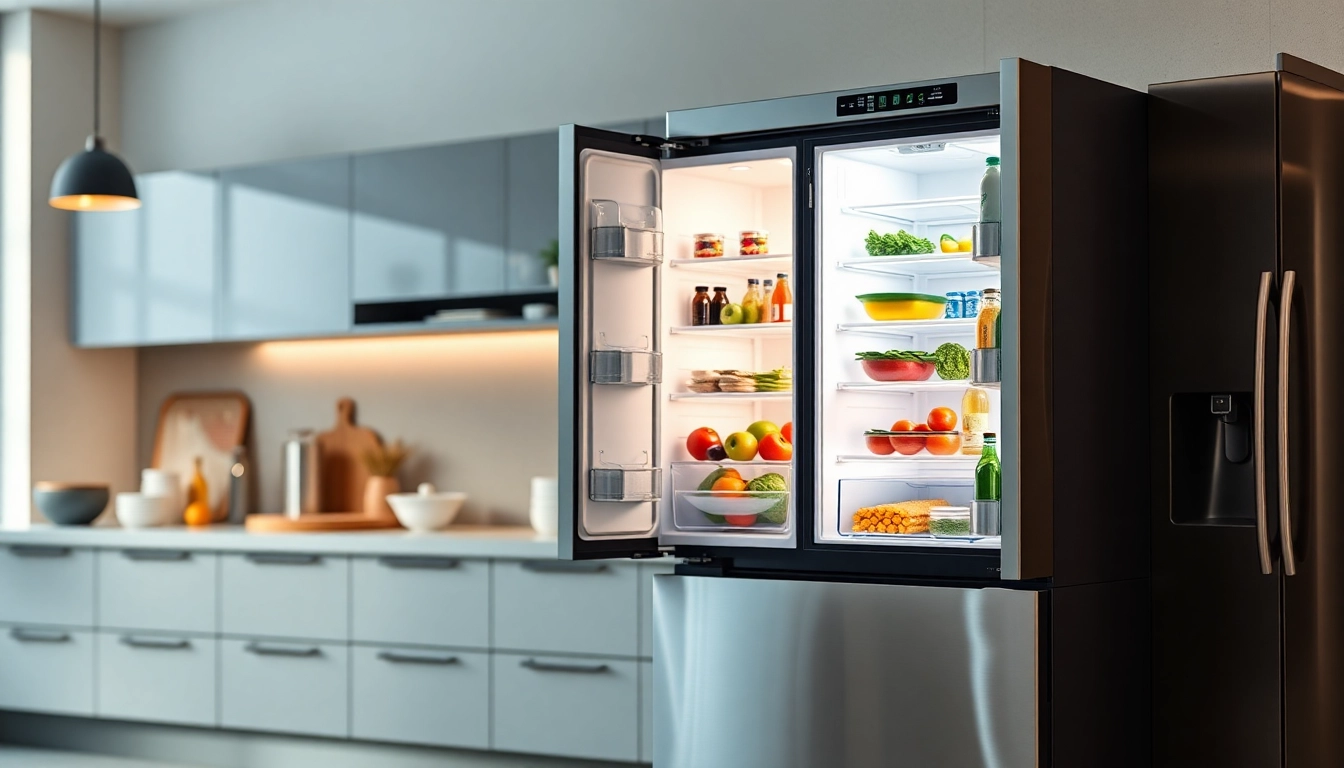
Understanding Your Refrigerator: Components and Features
When we think about modern kitchen appliances, the Refrigerator stands out as one of the most essential. It's not just a storage unit; it plays a crucial role in keeping our food fresh, safe, and nutritious. To maximize its efficiency and lifespan, it’s important to understand the key components and features that make up your refrigerator.
Key Parts of a Refrigerator
A refrigerator is composed of several key parts that work together to maintain the desired temperature. Understanding these components can help you troubleshoot issues and improve efficiency:
- Compressor: This is the heart of the refrigeration system. It pumps refrigerant through the coils, enabling heat exchange.
- Condenser Coils: Located at the back or the bottom of the refrigerator, these coils expel heat. Keeping them clean is essential for efficient operation.
- Evaporator Coils: Found inside the refrigerator, these coils absorb warmth from the fridge compartment, facilitating the cooling process.
- Thermostat: This part senses the temperature inside the refrigerator and regulates the compressor operation accordingly.
- Fan: The fan circulates air around the fridge and freezer compartments, ensuring even temperature distribution.
- Insulation: Effective insulation helps maintain the internal temperature, reducing energy consumption.
Different Types of Refrigerators
Refrigerators come in various designs to suit different kitchens and lifestyles. Here are some of the main types:
- Top Freezer Refrigerators: This classic style has a freezer compartment above the refrigerator section. It's typically the most economical option.
- Bottom Freezer Refrigerators: The freezer is located below the refrigerator, offering easy access to frequently used items in the upper section.
- Side-by-Side Refrigerators: These units feature two vertical sections — one for the refrigerator and one for the freezer — offering convenient access to both.
- French Door Refrigerators: Combining the best of both worlds, these models have two doors for the refrigerator and a pull-out freezer drawer below, ideal for modern kitchens.
- Compact Refrigerators: Perfect for small spaces, such as dorms or offices, compact models take up minimal space and provide essential cooling.
Understanding Energy Ratings
Energy efficiency is a significant factor to consider when purchasing a refrigerator. Most models come with an Energy Guide label that provides estimates on annual energy consumption. Key points to consider include:
- Energy Star Certification: Look for refrigerators that meet Energy Star standards, which ensures they consume less electricity compared to non-certified models.
- Efficiency Compared to Older Models: Newer refrigerators are generally more efficient than older models, which can help save on electricity bills.
- Size Implications: Larger refrigerators tend to use more energy; pick a size that fits your needs without excess space.
Optimal Food Storage: Best Practices
Proper food storage not only helps in maintaining the quality and safety of your food but also optimizes the overall efficiency of your Refrigerator. Here are best practices for storing various food items effectively.
Storing Fruits and Vegetables
Fruits and vegetables require different storage conditions for optimal freshness:
- Humidity Control: Many refrigerators come with humidity-controlled drawers. Keep leafy greens in high humidity environments, while fruits that rot quickly should be kept in lower humidity.
- Separation: Store fruits and vegetables separately, as some fruits emit ethylene gas, which can speed up spoilage in vegetables.
- Wash Before Storing: Avoid washing produce before storage to prevent excess moisture, which can lead to mold growth.
Meat and Dairy Placement
Storing meat and dairy correctly is essential for food safety:
- Coldest Section: Keep meat in the coldest part of the refrigerator, usually near the bottom or on a dedicated shelf to prevent cross-contamination.
- Packaging: Store meat in original packaging or wrap it tightly to prevent air exposure.
- Dairy Products: Always keep dairy products on middle shelves rather than the door, as temperatures fluctuate more in door compartments.
Utilizing Drawers and Shelves
An organized refrigerator can help maintain optimal temperatures and enhance food preservation:
- Use Built-in Drawers: Drawers are designed for specific types of food, from deli meats to fruits, utilizing airflow efficiently.
- Maximize Shelf Space: Adjust shelves to accommodate tall items, arrange items so that older items are at the front, and maintain visibility.
- Avoid Overcrowding: Don't overload your refrigerator; proper air circulation is critical for consistent cooling.
Energy Efficiency: Keeping Costs Low
Keeping your Refrigerator energy-efficient not only helps the environment but also saves you money on electricity bills. Here's how:
Reducing Energy Consumption
Implementing simple changes can significantly decrease energy use:
- Set the Right Temperature: The ideal temperature for a refrigerator is 37°F (3°C). Freezers should be set at 0°F (-18°C).
- Minimize Door Openings: Try to keep the fridge door closed as much as possible to retain cold air.
- Monitor Food Inventory: Keep an organized inventory to prevent opening the fridge unnecessarily.
Insulation and Temperature Settings
Proper insulation and settings can greatly impact your refrigerator’s energy consumption:
- Check Door Seals: Ensure that door seals are intact and free of debris to prevent warm air from entering.
- Regularly Defrost: If you have a manual defrost freezer, do so regularly to prevent ice buildup, which affects efficiency.
- Optimize Location: Place your refrigerator away from heat sources like ovens and direct sunlight to maintain lower temperatures.
Long-term Maintenance Tips
Maintaining your refrigerator can extend its lifespan:
- Cleansing Coils: Regularly clean condenser coils to prevent dust buildup, which can inhibit efficiency.
- Check Temperature Settings: Every six months, verify that temperatures remain optimal for food safety.
- Professional Servicing: Consider routine professional servicing to ensure all components are in good working order.
Common Refrigerator Problems and Solutions
Despite your best efforts, issues with your Refrigerator may arise. Identifying these problems early and knowing how to address them can save you stress and money:
Identifying Temperature Issues
Temperature inconsistency can lead to food spoilage:
- Potential Causes: Check for obstructions around vents, or verify that the thermostat is set correctly.
- Solution: Adjust thermostat settings and rearrange items to promote better air flow.
Addressing Noisy Operation
A noisy refrigerator can be concerning:
- Common Reasons: Noises can stem from a malfunctioning condenser fan or even the compressor.
- Solution: Inspect for loose items that might be vibrating, and clean the fan blades if necessary.
Fixing Odor Problems
Bad smells can indicate spoiled food or other issues:
- Identifying Sources: Check for expired items and remove them promptly.
- Solution: Clean interior surfaces with mild soap and baking soda. Consider an activated charcoal container for absorbing odors.
Frequently Asked Questions About Your Refrigerator
How often should I clean my refrigerator?
You should clean your refrigerator every 3-6 months. Regular cleaning prevents odors and ensures proper hygiene.
What temperature should my refrigerator be set to?
The ideal refrigerator temperature is between 36°F and 38°F (2°C to 3°C) to ensure food safety without freezing.
How can I reduce energy consumption?
Reduce energy consumption by keeping the door closed, checking door seals, and setting the correct temperature.
What is the lifespan of a refrigerator?
A well-maintained refrigerator typically lasts between 10 to 20 years, depending on the model and usage.
How do I know if my refrigerator needs repairs?
If you notice unusual noises, temperature fluctuations, or bad odors, it may indicate that your refrigerator needs repairs.