Understanding Plate Rolling
What is Plate Rolling?
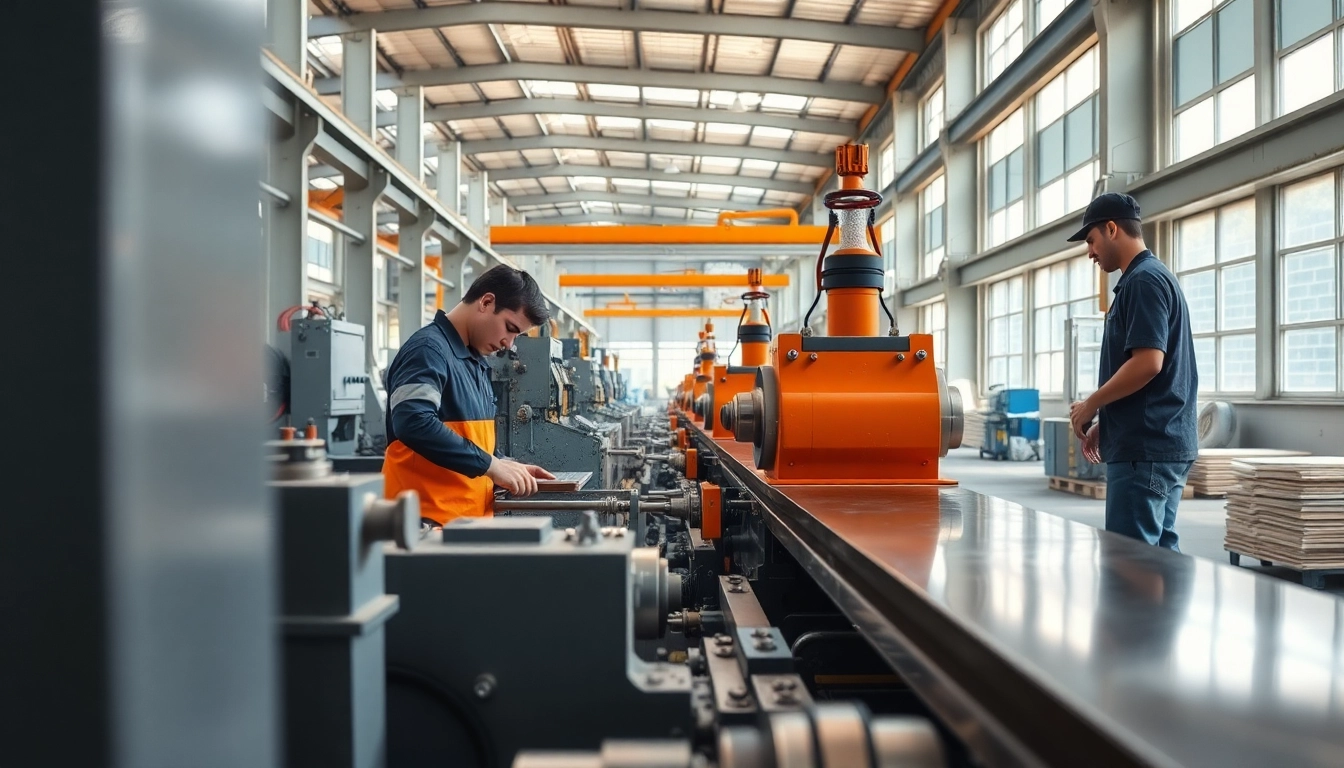
Plate rolling is a fabrication process used to shape and form metal sheets into cylindrical or conical shapes. It employs a machine typically known as a plate rolling machine, which often consists of three or four rolls, positioned in various configurations, to gradually bend and form the plate material. This highly versatile process enables industries to create items ranging from pipes and tanks to complex components and structural supports. In a world where precision and quality are paramount, plate rolling serves as a critical technique in metalworking.
Applications of Plate Rolling
The applications of plate rolling are extensive and span various industries. In the construction sector, it is commonly used for producing curved shapes for arches, beams, and other structural elements. The aerospace industry benefits from plate rolling by manufacturing parts for aircraft fuselages and jet engines. Additionally, the oil and gas sector relies on this process for creating storage tanks, pipes, and pressure vessels that withstand high pressures.
Other industries, including marine, automotive, and rail, utilize plate rolling for crafting components such as ship hulls, vehicle frames, and train car bodies. The adaptability of this process ensures that it meets diverse standards, specifications, and applications across multiple fields.
Benefits of Plate Rolling
Plate rolling offers numerous advantages that enhance manufacturing efficiency and product quality. Firstly, it allows for the manipulation of large metal sheets into the desired shapes with precision, reducing wastage and ensuring resource efficiency. Secondly, the process can accommodate various materials, including stainless steel, aluminum, and carbon steel, which broadens its utility.
Moreover, plate rolling supports the creation of complex geometries that might be difficult to achieve through other methods, thus giving manufacturers a competitive edge in product design. Finally, advancements in automation technology have improved the speed and consistency of plate rolling, leading to shorter lead times and enhanced overall productivity.
Types of Plate Rolling Machines
Three-Roll vs. Four-Roll Machines
Plate rolling machines generally come in three-roll or four-roll configurations. Three-roll machines typically feature two lower rolls and one upper roll, allowing for the bending of the material using a combination of contact pressure and rolling motion. This setup is often more economical and is favored for simpler applications, especially when producing cylindrical shapes.
On the other hand, four-roll machines are more advanced, incorporating two top rolls and two bottom rolls. This design enables greater control over the calibration and material thickness, facilitating more precise curves and forms. While four-roll machines tend to be more expensive, they are capable of handling more extensive and complex projects with higher accuracy.
Vertical Plate Rolling Machines
Vertical plate rolling machines are another innovative option in the plate rolling landscape. Unlike conventional horizontal models, vertical rolling machines allow for the processing of thick plates and heavier materials. The vertical orientation provides easier material handling and can enhance safety during the rolling process.
These machines excel in applications requiring precise conical shapes and are particularly beneficial in the aerospace and manufacturing sectors, where the thickness of the materials often necessitates more robust machinery. The vertical design also helps save floor space in crowded manufacturing environments.
Specialized Plate Rolling Equipment
In addition to traditional rolling machines, specialized equipment is available for unique applications. For instance, some machines are engineered specifically for rolling irregular shapes or profiles, such as squares or rectangles. Customizable rollers can be designed to adapt to various tasks and materials, ensuring that manufacturers can meet specific project requirements.
Additionally, modern technologies such as CNC controls and laser-guided systems improve the precision of rolling operations, allowing for intricate designs that fulfill the demands of detailed projects. This specialized equipment contributes significantly to achieving high-quality results in various industrial applications.
Plate Rolling Process Explained
Preparation for Plate Rolling
Effective plate rolling begins with thorough preparation. First, manufacturers must select the appropriate material for the intended application. Factors such as thickness, tensile strength, and alloy composition are critical considerations to ensure optimal performance. Once the material is selected, it is essential to prepare it by removing any surface defects or contaminants that could affect the rolling process.
Next, operators must set up the plate rolling machine, adjusting the rolls to accommodate the specific dimensions of the sheet metal. This setup phase includes calibrating the machine for the desired bending radius and ensuring that feed rates and rolling speeds are adjusted according to the material properties.
Executing the Rolling Process
With preparations complete, the actual rolling process can commence. The operator feeds the metal sheet between the rolls, where the upper roll exerts pressure to initiate the bending action. Depending on the design, the rolling machine can perform multiple passes to achieve the desired shape progressively.
Continuous monitoring during this phase is crucial; it ensures that the material does not overheat or develop wrist areas that could yield defective products. Operators should pay careful attention to any irregularities in the material or machine performance to address issues promptly.
Post-Rolling Inspection and Quality Control
Upon completing the rolling process, a comprehensive inspection of the finished object is essential. Quality control measures must include visual examinations for surface defects, dimensional checks to confirm conformity with specifications, and any necessary stress tests to verify integrity. These quality control processes ensure that the rolled components meet all industry regulations and standards.
Additionally, using advanced measurement technologies can enhance accuracy and help identify sources of defects in future batches. Implementing a robust quality assurance program plays a significant role in maintaining customer satisfaction and achieving operational excellence.
Best Practices for Effective Plate Rolling
Choosing the Right Material
The foundation of successful plate rolling starts with selecting the right material. Understanding the properties of various metals and their behavior during the rolling process is essential. For instance, materials like aluminum have different rolling characteristics compared to steel, making it crucial to align material selection with the project's technical requirements.
Moreover, considering project-specific factors, such as corrosion resistance or strength-to-weight ratios, can further enhance the product’s effectiveness. Collaborating with material scientists or metallurgists can provide deeper insight and diminish the likelihood of unanticipated complications during the rolling process.
Setting Up Your Plate Rolling Machine
Proper machine setup is a crucial best practice that can significantly impact the outcome of plate rolling operations. Operators should follow manufacturer guidelines and perform regular calibrations to ensure that all components align correctly and function as intended. Establishing a systematic checklist can streamline the setup process and improve efficiency.
Additionally, incorporating machine monitoring technologies can assist in evaluating performance metrics over time, enabling continuous improvements and minimizing downtime caused by equipment malfunctions.
Maintaining Equipment for Longevity
Regular maintenance of plate rolling machines is vital to prolonging equipment lifespan and ensuring optimal performance. Operators should implement a preventive maintenance schedule that includes routine inspections to detect potential issues before they escalate. Key areas of focus include lubrication points, roll alignment, and checking for wear on components.
Investing in planned maintenance can enhance production continuity, reduce repair costs, and bolster the overall efficiency of operations in the long term. A well-maintained machine is less prone to breakdowns and can contribute to better-quality outputs.
Common Challenges in Plate Rolling
Dealing with Material Thickness Variations
Variation in material thickness is a prevalent challenge that can lead to complications during plate rolling. Such discrepancies can cause uneven bending or may result in defects such as buckling. It is vital for manufacturers to inspect incoming materials for thickness consistency and, where necessary, use advanced methods such as ultrasonic testing to verify uniformity across the batch.
Designing the rolling process around the specific thickness of the metal, including adjustments to feed rates and pressure, can help mitigate the effects of these variations and produce higher-quality rolled products.
Avoiding Surface Defects
Surface defects can significantly diminish the quality of rolled products. These can arise from contamination, improper handling, or inconsistencies in the rolling technique. Implementing strict quality assurance protocols can help prevent these defects. Regular training for operators on handling and processing materials correctly further contributes to maintaining surface integrity.
In addition, employing coatings or treatments post-rolling can provide additional protective barriers against environmental factors and help enhance the final product's appearance and durability.
Mitigating Common Equipment Failures
Equipment failures can halt production and result in substantial financial losses. To mitigate these risks, manufacturers should foster a culture of proactive maintenance, including routine inspections of critical components and timely replacements as needed. Documenting parts usage and performance trends can also play an essential role in identifying potential failures before they impact production.
Investing in higher-quality components and employing advanced technologies, such as predictive maintenance systems, can significantly enhance reliability and reduce the frequency of unexpected equipment failures.
Frequently Asked Questions
1. What types of materials can be used in plate rolling?
Plate rolling can accommodate various materials, including metals such as stainless steel, aluminum, carbon steel, and even some alloys designed for specific applications.
2. How do I choose between a three-roll or four-roll plate rolling machine?
Your choice depends on your specific needs. Three-roll machines are cost-effective for simpler tasks, while four-roll machines offer more precision and control for complex shapes.
3. What are the safety considerations during plate rolling?
Operators should wear appropriate personal protective equipment and are trained in machine functions. Also, ensuring that emergency shutoff features are accessible is crucial for maintaining safety.
4. How does material thickness affect the plate rolling process?
Variations in material thickness can lead to uneven bending and defects. Consistency is vital for achieving quality results, so thorough inspections should be conducted before rolling.
5. What is the role of quality control in plate rolling?
Quality control ensures the rolled products meet specifications and standards, mitigating risks of defects and enhancing customer satisfaction through consistent outcomes.