Understanding EV Charging Installation
What is EV Charging Installation?
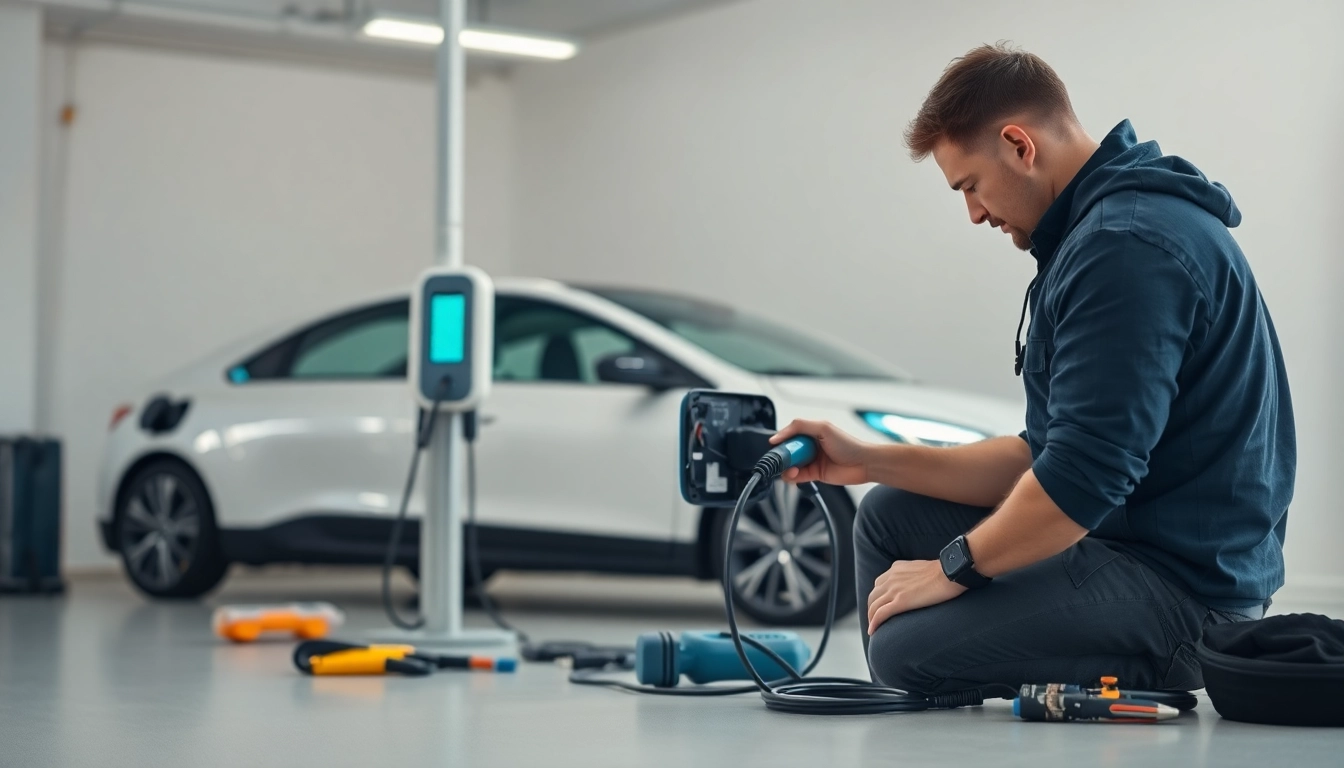
EV Charging Installation refers to the process of setting up a dedicated charging station for electric vehicles (EVs) in residential or commercial spaces. This installation encompasses various components, including charging units, wiring, circuit breakers, and in some cases, meters that measure energy consumption. As electric vehicles gain popularity, understanding proper installation is crucial to ensure safety, efficiency, and longevity of the charging infrastructure. It’s important for homeowners and businesses alike to have a reliable installation process in place to accommodate the growing demand for EV charging solutions. For detailed insights on the installation process, you can explore EV Charging Installation options available in your area.
Importance of Proper Installation
Proper installation is critical in maximizing the functionality and safety of any EV charging system. An inadequate setup can lead to significant issues, including inefficient charging, increased wear and tear on the electric vehicle, and potential accidents such as electric shocks or fires. Furthermore, a well-executed installation ensures that the charging station can handle the electrical loads necessary for high-speed charging and complies with local regulations. It also enhances user experience, providing a seamless and reliable way to charge an electric vehicle.
Different Types of EV Charging Stations
There are three primary types of EV charging stations, each designed for various charging needs:
- Level 1 Chargers: These are standard 120-volt outlets that can be found in most homes. They typically deliver about 4-5 miles of range per hour of charging, making them suitable for overnight charging.
- Level 2 Chargers: Operating at 240 volts, these chargers are commonly used in residential and public charging stations, providing about 25 miles of range per hour. They require a dedicated circuit and professional installation.
- DC Fast Chargers: These are high-powered charging stations found in commercial settings, capable of providing up to 80% charge in around 30 minutes. They are crucial for long-distance travel and commercial vehicle fleets.
Costs Associated with EV Charging Installation
Overview of Installation Costs
The cost of installing an EV charger varies significantly based on several factors, including the type of charging station, electrical modifications needed, labor costs, and location. On average, homeowners can expect to spend anywhere from $1,000 to $2,500 for a Level 2 home charger installation. This amount typically includes materials and labor, with prices fluctuating based on regional rates.
Factors Influencing Pricing
Several factors can influence the overall cost of EV charging installation:
- Type of Charger: The purchase price of the charging unit itself varies significantly between models, with smart chargers often costing more than simple ones.
- Electrical Setup: Older homes may require electrical upgrades to accommodate a new charging station, such as a new breaker panel or increased amperage, which can drive up costs.
- Location: The geographic location can impact labor rates and the availability of qualified installers, potentially leading to higher costs in regions with fewer professionals.
- Permitting and Inspection Fees: Obtaining the necessary permits can add to the cost, particularly if local regulations are stringent.
Cost Comparison between Different Systems
Understanding how costs stack up among different chargers can help potential buyers make informed decisions. Here’s a brief comparison:
Charger TypeEquipment CostInstallation CostTotal EstimateLevel 1 Charger$200 - $600$300 - $800$500 - $1,400Level 2 Charger$500 - $1,500$500 - $1,000$1,000 - $2,500DC Fast Charger$10,000 - $40,000$3,000 - $10,000$13,000 - $50,000
Preparing for EV Charging Installation
Home Requirements for Installation
Before installation, it’s essential to assess the home’s electrical system and ensure that it can accommodate an EV charging station. Key considerations include:
- Evaluating the existing electrical panel capacity to handle additional loads, ensuring it meets local electrical codes.
- Testing the strength and condition of wiring infrastructure, necessitating upgrades if wiring is outdated or degraded.
- Assessing the location for the charger, ensuring proximity to the EV parking spot and sufficient space for easy access.
Selecting the Right EV Charger
Choosing the correct charger involves considering multiple factors, including:
- Charge speed requirements based on daily driving habits and the types of vehicles owned.
- Smart features like app integration and scheduling capabilities, which can enhance user convenience.
- Compatibility with specific vehicle models, ensuring that the charger can accommodate different charging connectors.
Hiring Qualified Installers
Engaging a qualified installation professional is crucial to ensure safety and adherence to local codes. Here’s how to find a reputable installer:
- Seek recommendations from trusted sources or local EV communities while reviewing online reviews and ratings.
- Verify certifications and licenses to ensure that the electrician is qualified to work with EV charging equipment.
- Request multiple quotes to compare pricing and services offered, clarifying the scope of work included in the estimates.
Step-by-Step Process of EV Charging Installation
Initial Assessment by Electricians
The installation process begins with a thorough on-site assessment by a qualified electrician. This involves evaluating the home's electrical system to determine the best approach for installation. The electrician will check panel capacity, wiring condition, and potential modifications needed to accommodate the charger. This step is critical to ensure a safe and efficient installation.
Installation Techniques and Best Practices
Once the initial assessment is complete, installation techniques may vary based on the charger type:
- The installation of a Level 2 charger typically requires a dedicated circuit and may involve running new wiring from the electrical panel to the charging location, ensuring the use of appropriate gauge wire.
- If a DC Fast Charger is being installed, additional infrastructure may be required, and local utility company coordination may be necessary to handle increased electrical loads properly.
Best practices include following all local codes, utilizing high-quality materials, and conducting regular safety checks throughout installation.
Finalizing and Testing the Installation
After installation, the technician conducts comprehensive testing to ensure the system functions correctly and safely. This can involve:
- Verifying that the charger communicates correctly with the vehicle.
- Checking the integrity of electrical connections and grounding systems.
- Running safety checks to ensure compliance with all relevant codes.
Frequently Asked Questions
How long does EV Charging Installation take?
Typically, EV Charging Installation can take between 3 to 6 hours, depending on site conditions and the complexity of the existing infrastructure.
Can I do the installation myself?
If you are a qualified electrician familiar with local codes, you may install your charger; otherwise, it’s safest to hire a professional to ensure compliance with regulations.
What permits are needed for EV Charging Installation?
Permitting requirements vary by location. It’s best to check with local building authorities before proceeding with installation to ensure compliance with local codes.
What are common problems during installation?
Common issues include circuit overloading, incompatible breakers, or improper grounding of the EV charging system, which can lead to safety hazards.
Are there rebates available for EV Charging Installation?
Yes, many regions offer rebates and incentives for EV charger installations. It's beneficial to check with local energy providers for available programs that may help offset installation costs.