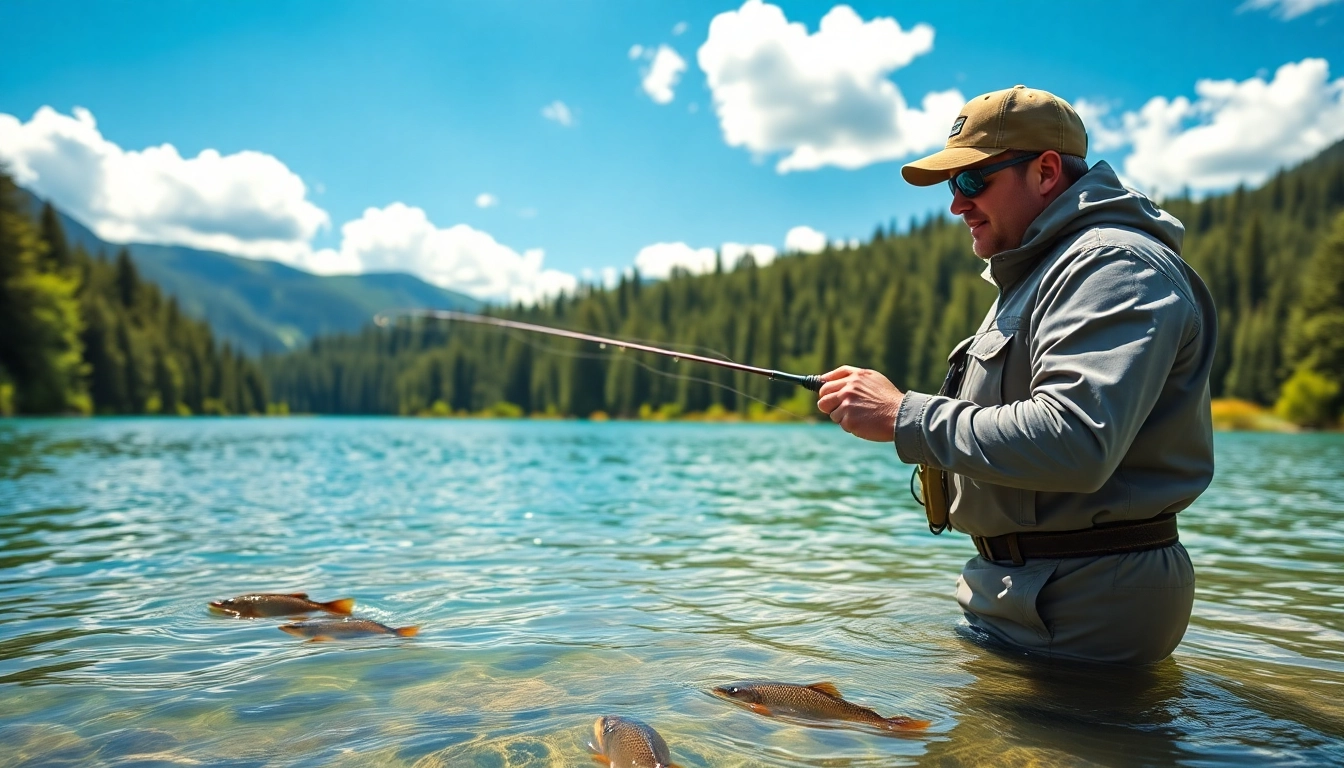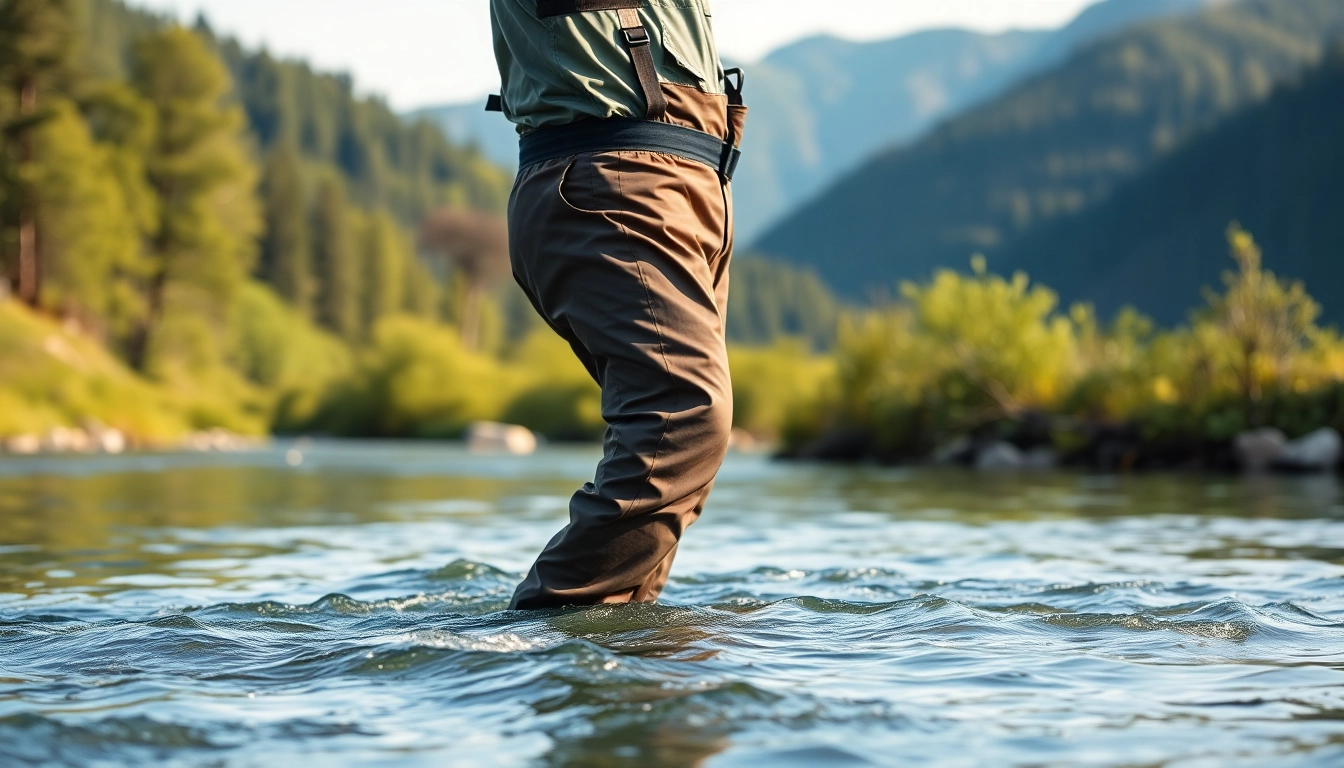
Understanding Fly Fishing Waders
For any serious angler, fly fishing waders are not merely an accessory; they're essential gear that provides comfort and protection while you navigate both still and moving waters. These specialized garments allow you to submerge yourself in varied aquatic environments without succumbing to the chill of the water, ensuring that you're ready to cast your line whenever the opportunity arises. Whether you're wading through a tranquil stream or battling the swift currents of a river, understanding fly fishing waders is crucial to enhancing your overall fishing experience. In this comprehensive guide, we will explore the different types, materials, and essential features that will help you choose the right pair tailored to your needs.
Types of Fly Fishing Waders
Fly fishing waders come in various styles designed to accommodate different fishing environments and personal preferences. The main types include:
- Bootfoot waders: These waders come integrated with boots and offer a greater degree of insulation and waterproofing, making them ideal for cold weather fishing.
- Stockingfoot waders: These feature neoprene or mesh boots that allow anglers to choose their preferred footwear, providing flexibility and comfort. They are excellent for warmer climates.
- Waist waders: These shorter waders are suitable for shallow waters and are typically favored during warmer months when temperatures rise.
- Chest waders: Offering full coverage, these waders extend to the chest and are suitable for deep waters, ensuring maximum protection against splashes and cold currents.
Materials Used in Fly Fishing Waders
The materials used in the construction of fly fishing waders greatly influence their performance, weight, and suitability for different environments. Common materials include:
- Nylon: Lightweight and durable, nylon waders are often coated with a waterproof layer, making them a popular choice for versatile use.
- Neoprene: Known for its insulation properties, neoprene is ideal for cold water conditions, providing warmth while maintaining flexibility.
- Breathable fabrics: Materials such as Gore-Tex or other advanced membranes allow moisture to escape while preventing water from entering. This is perfect for warm weather or prolonged use.
Choosing the Right Fit
Finding the perfect fit is crucial for fly fishing waders to ensure comfort and functionality while you're out fishing. When selecting waders, consider the following:
- Size: Waders should fit snugly without being restrictive. Look for options that provide flexibility for movement while allowing you to layer clothing underneath if necessary.
- Adjustability: Features such as adjustable suspenders or belts can help achieve a better fit, making it easier to accommodate varying body shapes and clothing underneath.
- Foot size: Ensure that the wader's boot or sock fit matches the size of your feet, allowing your toes to remain warm and comfortable.
Features to Consider When Buying Fly Fishing Waders
Beyond fit and material, there are several additional features to consider when purchasing fly fishing waders to enhance your comfort and efficiency on the water.
Pockets and Storage Options
Having adequate storage options can make a significant difference while fishing. Consider waders with:
- Chest pockets: Great for holding small tackle boxes, flies, or other accessories within easy reach.
- Side pockets: Ideal for quick access to items like fishing tools or snacks.
- Waterproof pockets: These can safeguard your electronics or other sensitive items from getting wet.
Comfort and Mobility
When choosing waders, comfort and mobility are paramount. Look for features such as:
- Reinforced knees: Enhance durability while allowing for improved flexibility when kneeling or moving.
- Lightweight designs: Opt for breathable materials that allow freedom of movement and prevent fatigue during extended periods of wear.
- Cushioned soles: If using stockingfoot waders, consider shoes with good arch support to keep you comfortable during long stretches on your feet.
Insulation and Weather Resistance
Depending on the conditions in which you are fishing, insulation and weather resistance can be critical factors in your choice:
- Insulated waders: If you fish in cold environments, look for waders with built-in insulation to keep you warm.
- Waterproofing: A quality waterproof rating is essential, especially for deep-water fishing outings or rainy weather.
- Seams and closures: Ensure seams are stitched and sealed to prevent leakage and ensure your waders hold up under various conditions.
Maintenance Tips for Fly Fishing Waders
Proper maintenance of your fly fishing waders will prolong their lifespan and performance. Here are some essential maintenance tips:
Cleaning and Drying Methods
Cleaning your waders after each fishing trip is vital to remove dirt, salt, and organic materials that can degrade the material.
- Rinse thoroughly: After use, rinse your waders with fresh water to remove contaminants.
- Use gentle soap: For deeper cleaning, a gentle soap can help eliminate stubborn stains without damaging the fabric.
- Dry properly: Hang your waders to dry away from direct sunlight, which can deteriorate materials over time.
Patch and Repair Techniques
Despite their durability, waders can develop tears or punctures. Responding quickly can prevent further damage:
- Waterproof repair tape: A quick solution for small punctures or tears can be found in specialized repair tapes.
- Professional repairs: For larger issues, consider sending your waders to a professional repair service to restore functionality.
Storing Your Waders Properly
How you store your waders can impact their longevity:
- Cool, dry place: Store waders away from direct sunlight and moisture to avoid mold growth.
- Hanging: Ideally, hang waders by their straps to prevent creasing and damage to the material.
Common Issues with Fly Fishing Waders
Even the best fly fishing waders can present issues over time. Understanding these common challenges will help you act swiftly to address them.
Water Leakage Problems
Water leakage is one of the most common issues faced by anglers. Symptoms may include wet spots inside the waders after prolonged wear. To troubleshoot:
- Inspect seams: Look closely at all seams for any signs of wear or gaps.
- Conduct a test: Fill the waders with water to identify any leaks. This can help locate smaller tears or punctures.
Wear and Tear Signs
Recognizing wear and tear early can save you from unexpected discomforts:
- Fabric condition: Check for fading, cracking, or thinning of the material, especially in high-stress areas.
- Frequent repairs: If you find yourself repairing your waders regularly, it may be time to consider a replacement.
How to Troubleshoot Issues
To extend the life of your waders, create a regular maintenance routine that includes:
- Frequent inspections: Conduct pre- and post-trip checks to catch any issues early on.
- Proper washing: Follow care instructions to maintain waterproof coatings for optimal performance.
Frequently Asked Questions About Fly Fishing Waders
What are the best types of fly fishing waders?
The best types depend on personal preferences and conditions. Bootfoot waders provide insulation for cold fishing, while stockingfoot waders are versatile for various footwear choices.
How do I clean my fly fishing waders?
Rinse your waders with fresh water after each use and clean with a gentle soap when needed. Hang them to dry in a cool, shaded location.
Can I wear fly fishing waders in cold weather?
Yes, insulated or neoprene-lined waders are designed to keep you warm even in very cold water conditions, making them ideal for winter fishing.
How should I store my fly fishing waders?
Store them in a cool, dry place, ideally hung by the straps to avoid creases and damage caused by folding or bending.
What materials are fly fishing waders made from?
Materials commonly include nylon, neoprene, and breathable fabrics like Gore-Tex, each offering unique benefits based on fishing conditions.