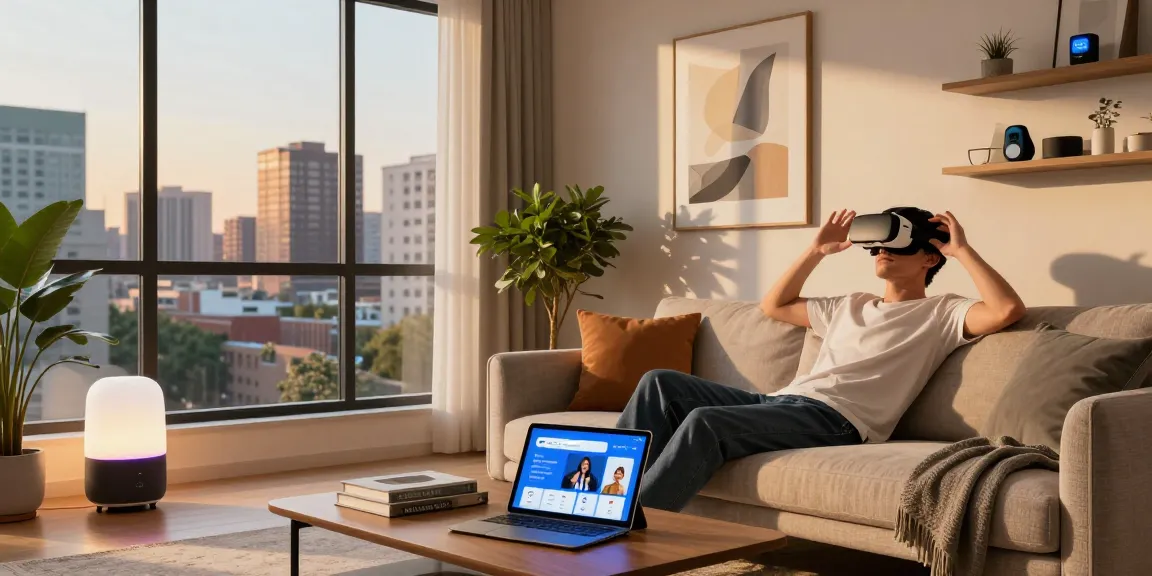
In the age of digital transformation, smart home automation systems are no longer a futuristic concept—they are an essential component of modern living. Homeowners today are increasingly seeking ways to simplify their lives, enhance security, and increase energy efficiency through technology. This Buying Guide delves into everything you need to know to make an informed decision when selecting a smart home automation system. From understanding the technology to evaluating the best options on the market, this guide provides a comprehensive overview for both beginners and seasoned tech enthusiasts.
Understanding Smart Home Automation Systems
Smart home automation systems integrate a range of devices, sensors, and software to provide homeowners with unprecedented control over their living environment. At its core, a smart home system allows devices to communicate with each other, enabling automation, remote control, and personalized settings. From controlling lighting and climate to managing security cameras and appliances, the potential of smart home technology is vast.
A well-designed smart home system improves convenience, saves energy, enhances security, and even boosts the overall value of your property. The critical factor in making the right choice lies in understanding the components of these systems, the protocols they use, and how they fit into your lifestyle.
Key Components of Smart Home Automation
Smart home systems typically consist of several integrated components. Understanding these components is essential when following this Buying Guide:
Hubs and Controllers
The hub is the central brain of a smart home system, connecting all devices and ensuring smooth communication. Hubs can range from dedicated hardware units to software-based controllers that operate through smartphones or tablets. A strong hub offers compatibility with a wide array of devices, robust security, and user-friendly interfaces.
Smart Lighting
Smart lighting has become one of the most popular applications of home automation. It allows you to control brightness, color, and schedules remotely. Advanced systems can even adapt lighting based on time of day or occupancy patterns, enhancing energy efficiency and ambiance.
Security Systems
Security is a primary driver for adopting smart home technology. Modern systems include smart locks, surveillance cameras, motion sensors, and alarm systems that can be controlled remotely. Many security systems also integrate artificial intelligence to detect unusual patterns and alert homeowners in real time.
Climate Control
Smart thermostats, air conditioners, and heating systems optimize energy usage while maintaining comfort. These devices learn user preferences and adjust settings automatically. Some systems can even predict weather patterns and modify indoor climate accordingly, making them indispensable for energy-conscious homeowners.
Entertainment and Appliances
Smart home automation extends to entertainment systems, kitchen appliances, and household gadgets. Voice-activated assistants can control music, TVs, and even ovens, creating an interconnected ecosystem that responds to user commands efficiently.
Factors to Consider When Buying a Smart Home System
Selecting the right smart home automation system requires careful consideration of several key factors. This section of the Buying Guide focuses on what you need to evaluate before making a purchase.
Compatibility and Ecosystem
One of the most critical considerations is ensuring that your devices are compatible with each other. Many systems rely on specific protocols like Zigbee, Z-Wave, or Wi-Fi, and not all devices work seamlessly across these platforms. Choosing a system with broad compatibility ensures that you can expand your smart home without worrying about technical limitations.
Ease of Installation and Use
While some smart home systems require professional installation, many are designed for DIY setups. Consider your comfort level with technology and opt for systems that offer intuitive interfaces, straightforward instructions, and responsive customer support. A complex system that is difficult to use can defeat the purpose of convenience.
Security and Privacy
Smart homes collect vast amounts of personal data, making security and privacy paramount. Look for systems that offer encrypted communication, frequent software updates, and robust authentication protocols. Understanding the data policies of manufacturers is also crucial to ensure your information remains private and secure.
Scalability and Flexibility
Your smart home system should grow with your needs. Evaluate the scalability of a system—whether it can support additional devices, integrate with new technologies, or adapt to changing household routines. Flexibility in control options, such as mobile apps, voice commands, or physical controls, enhances convenience and accessibility.
Budget and Value
Smart home systems come in a wide range of prices, reflecting their features, reliability, and brand reputation. While premium systems offer advanced capabilities and durability, mid-range options often provide excellent value for money. This Buying Guide recommends balancing your budget with your long-term goals and the potential savings in energy and security costs.
Top Features to Look for in Smart Home Automation
A successful smart home system is defined by the features it offers. Here are the essential features that every homeowner should consider:
Automation and Scheduling
Automation is the hallmark of smart home technology. Look for systems that allow you to create custom routines and schedules, such as turning on lights at sunset or activating security cameras when you leave home. Intelligent automation not only adds convenience but also contributes to energy efficiency and security.
Remote Access and Control
Being able to manage your home from anywhere in the world is a significant advantage. Systems with robust mobile apps and cloud-based control offer real-time monitoring, alerts, and remote management, giving homeowners peace of mind even when away.
Voice Control Integration
Integration with voice assistants like Amazon Alexa, Google Assistant, or Apple Siri enhances usability. Voice commands enable hands-free control over lighting, temperature, security, and entertainment, making smart home interaction seamless and intuitive.
Energy Monitoring
Advanced smart home systems track energy consumption across devices, allowing you to identify inefficiencies and reduce utility costs. Real-time insights help homeowners make informed decisions about energy usage, contributing to sustainability and cost savings.
Smart Notifications and Alerts
Alerts and notifications are essential for security and home management. Whether it’s a door left unlocked, a water leak, or unusual movement detected by a sensor, timely notifications allow you to respond proactively, preventing damage or potential threats.
Popular Smart Home Automation Platforms
Choosing the right platform is critical to the success of your smart home ecosystem. Some of the leading platforms that dominate the market today include:
Amazon Alexa
Amazon Alexa is one of the most widely adopted smart home platforms. Its compatibility with thousands of devices, extensive voice commands, and continuous software updates make it a reliable choice for many homeowners.
Google Home
Google Home offers deep integration with Google services, voice recognition, and AI-powered automation. It excels in creating intuitive routines and works seamlessly with Android devices.
Apple HomeKit
Apple HomeKit focuses on security, privacy, and ease of use. Its ecosystem allows tight integration across iOS devices, providing a streamlined experience for Apple users.
Samsung SmartThings
SmartThings offers broad compatibility with Zigbee, Z-Wave, and Wi-Fi devices, making it highly flexible. Its hub-based approach ensures robust automation and integration across diverse smart home components.
Installation and Maintenance Tips
Even the best smart home system requires careful installation and maintenance to perform optimally. Professional installation ensures correct setup, particularly for complex systems involving security and climate control. For DIY enthusiasts, following manufacturer instructions precisely, keeping firmware updated, and performing routine checks on connectivity and device health are essential. Regular maintenance ensures the longevity and reliability of your system while minimizing downtime or malfunctions.
Common Mistakes to Avoid
To make the most of your investment, this Buying Guide highlights common pitfalls to avoid when adopting a smart home automation system. Overlooking compatibility, neglecting security protocols, or choosing systems solely based on price can lead to frustration and inefficiency. Homeowners should focus on long-term usability, seamless integration, and comprehensive support rather than temporary cost savings.
Future Trends in Smart Home Automation
The smart home industry is evolving rapidly, with trends indicating more intelligent, connected, and autonomous systems. Artificial intelligence, machine learning, and enhanced voice recognition are set to redefine home automation. Predictive energy management, AI-powered security analysis, and even health monitoring through connected devices are emerging features that will shape the next generation of smart homes.
Conclusion
Investing in a smart home automation system is a decision that combines convenience, security, efficiency, and innovation. This Buying Guide emphasizes understanding the components, evaluating compatibility, considering security, and prioritizing features that align with your lifestyle. Whether you are just beginning your journey into home automation or looking to upgrade an existing system, making informed choices ensures that your home remains smart, secure, and future-ready. By following this expert guidance, you can confidently navigate the complex world of smart home technology and select a system that delivers maximum value and satisfaction. Learn more by exploring our homepage.
Frequently Asked Questions
What is a smart home automation system?
A smart home automation system is a network of interconnected devices and software that allows homeowners to control, automate, and monitor their home environment. It can manage lighting, climate, security, and appliances through remote access or automated routines.
How do I choose the right smart home system for my home?
To select the right system, consider compatibility with existing devices, ease of installation, security features, scalability, and your budget. Opt for platforms that integrate well with your lifestyle and offer reliable customer support.
Are smart home systems secure?
Yes, most reputable smart home systems employ encrypted communication, strong authentication, and frequent software updates. However, homeowners should remain vigilant, use strong passwords, and regularly update devices to ensure optimal security.
Can I install a smart home system myself?
Many systems are designed for DIY installation and provide user-friendly apps and guides. However, complex setups involving security cameras, locks, or climate control may require professional installation to ensure proper functionality.
What future trends should I expect in smart home automation?
Future trends include AI-driven automation, predictive energy management, enhanced voice control, integration of health monitoring devices, and more intelligent, self-learning systems that adapt to homeowners’ routines and preferences.