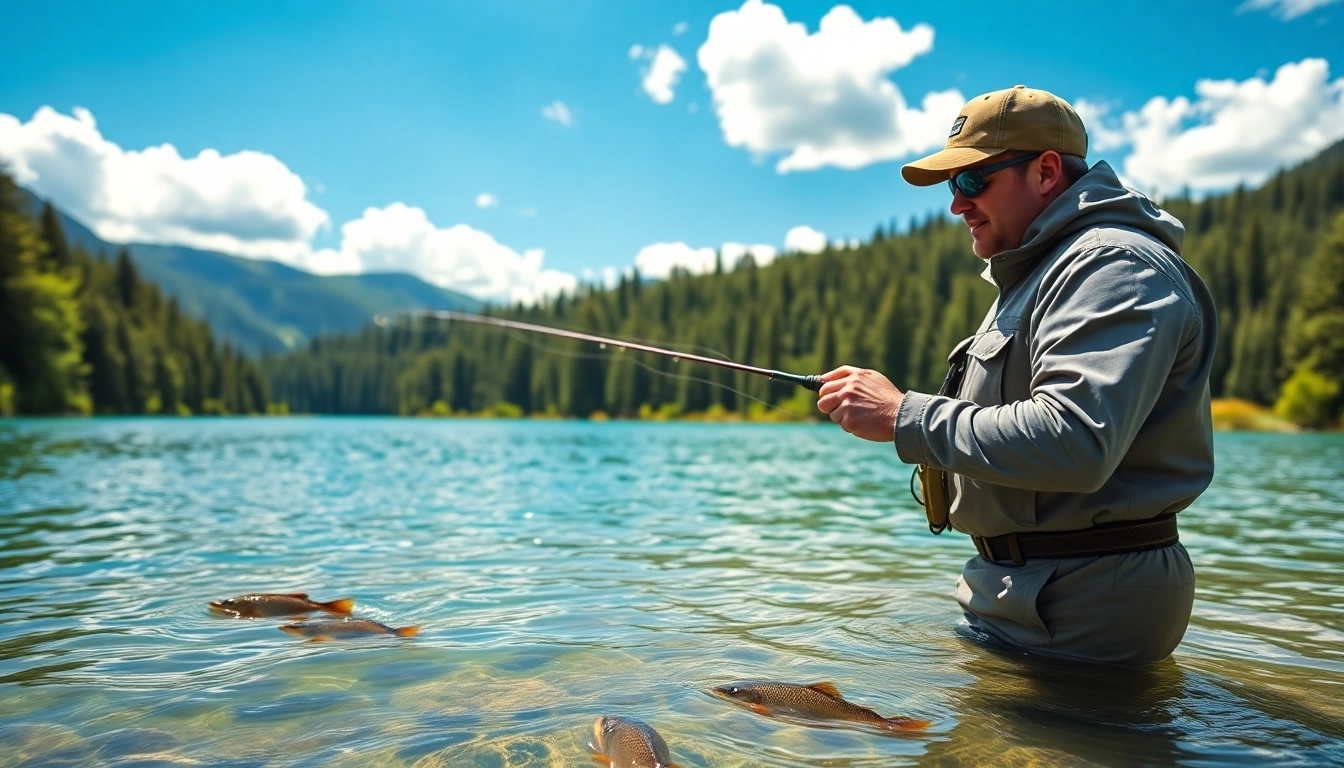
Getting Started with Fly Fishing for Beginners
Fly fishing can be a daunting prospect for newcomers, yet it offers unmatched rewards for those willing to embrace its intricacies. From the serene experience of casting a line to the thrill of a catch, fly fishing brings joy like no other. This guide is tailored to help you navigate through the essentials of fly fishing for beginners, showing you the ropes from the very basics to advanced tips for success.
Understanding the Basics of Fly Fishing
At its core, fly fishing differs from standard fishing methods in that it uses artificial flies, imitating aquatic insects to attract fish. Understanding these foundational concepts will help you transition smoothly into the world of fly fishing.
First, familiarize yourself with the various types of flies, including dry flies, nymphs, and streamers, each suited for particular fishing conditions. For beginners, starting with dry flies can be beneficial, as they generally provide a more visual way of seeing strikes directly.
The Gear You Need for Fly Fishing
The right gear can make a substantial difference in your fly fishing experience. Here’s an overview of essential equipment:
- Fly Rod: The backbone of your setup. Choose a rod length based on your fishing environment; longer rods are better for larger bodies of water.
- Fly Reel: A quality reel balances your rod and is vital for line management.
- Fly Line: Different weights of fly lines correspond to the rod weight you’ll be using. Weight-forward lines are recommended for beginners.
- Tippet and Leader Line: These lines connect your fly to the main line and help with smoother presentations.
- Flies: Start with a selection of basic dry flies and nymphs based on the mayflies and other insects found in your fishing area.
Choosing the Right Location
Your choice of fishing location can greatly influence your success. Consider these pointers when selecting a spot:
- Season and Time of Day: Fish are typically more active during the early morning or late evening. Seasonal changes can also affect fish feeding habits.
- Water Clarity: Clear water often means fish are more cautious; focus on stealth in these environments.
- Type of Water: Lakes, rivers, and streams all present unique challenges and opportunities. Some beginners find smaller streams easier to navigate.
Mastering Techniques for Fly Fishing for Beginners
How to Cast Properly
A proper cast is crucial in fly fishing. As a beginner, prioritize learning the basic cast. Here’s a simplified approach:
- Start with your rod held at a 10 o’clock position, and flick the rod back to a 2 o’clock position.
- Maintain a firm wrist while allowing the rod’s tip to flex.
- Follow through with a smooth motion, dropping the line in front of you gently.
Practice these steps repeatedly until it becomes natural.
Reading Water and Identifying Fish
Not all parts of a stream or river hold fish. Learning to read water is essential:
- Look for Structure: Fish often hide around rocks, fallen trees, and undercut banks.
- Identify Current: Fish tend to stay in slower currents, where they can conserve energy.
- Watch for Rising Fish: Signs of fish feeding can indicate where you should cast.
Effective Retrieval Techniques
Retrieving your fly correctly can be the difference between getting a bite or going home empty-handed. Adjust your retrieval speed based on the type of water and the species of fish. For instance, a slow, steady retrieve might work well for trout.
Common Challenges in Fly Fishing for Beginners
Overcoming Casting Mistakes
Beginners often struggle with casting accuracy and distance. Here’s how to overcome these challenges:
- Watch Your Line: Ensure your line is straight; curly lines lead to poor casts.
- Practice Your Timing: Accurate timing in the casting motion is essential—practice on land first.
- Seek Feedback: Enlist a more experienced fly fisher to critique your technique.
How to Stay Patient During Fishing
Patience is vital in fly fishing. It can take time to learn and improve your skills:
- Set Realistic Goals: Understand that catching fish takes time and practice. Set small, achievable targets.
- Enjoy the Moment: Use your time on the water to relax and appreciate nature.
Troubleshooting Equipment Issues
Equipment issues can frustrate many beginners. Here are some common problems and their solutions:
- Line Twist: If you notice your line twisting, replace your line or ensure proper spooling techniques.
- Fly Tangles: Regularly check your knots and secure flies properly to avoid tangling.
Fly Fishing for Beginners: Tips for Success
Best Practices for Catching Fish
To enhance your success rate in catching fish, consider the following tips:
- Match the Hatch: Observe the local insect life and mimic their appearance using your flies.
- Change Techniques: If fish aren’t biting, switch your retrieval methods or try a different fly.
Understanding Local Regulations
Before setting out to fish, it’s crucial to understand the local regulations governing the waters you plan to fish. These may include:
- Licensing requirements.
- Size and bag limits on fish species.
- Specific regulations that pertain to fishing methods in certain areas.
Maintaining Your Equipment
Proper maintenance of your fishing gear is essential for durability and performance:
- Clean Your Gear: Rinse off rods, reels, and lines after each use to prevent saltwater corrosion.
- Store Properly: Use protective cases for rods and reels, and store your flies in a dry, sheltered location.
Expanding Your Knowledge: Resources for Fly Fishing
Books and Online Guides
Books provide a wealth of information that can significantly boost your knowledge:
- Field Guides: These books often include species identification, habitat, and fishing techniques.
- How-To Books: Focus on specific aspects like tying flies or mastering casting techniques.
Joining a Local Fly Fishing Community
The community aspect of fly fishing can enhance your experience:
- Clubs and Outings: Local clubs often organize outings where you can learn from experienced anglers.
- Online Forums: Engage with other fly fishers online to share tips and gain insights.
Utilizing Video Tutorials for Skills Improvement
Visual learning through video tutorials can be an effective way to grasp complex techniques. Many platforms offer free resources:
- Instructional Videos: There are countless resources demonstrating casting, gear setup, and techniques.
- Live Streams: Some channels feature live Q&A sessions with experts.
FAQs About Fly Fishing for Beginners
What is the best fly rod for beginners?
A 9-foot 5-weight rod is recommended for beginners as it offers versatility across different water types and species.
How much does it cost to start fly fishing?
Initial costs can range between $200 to $600 for a basic setup, including a rod, reel, line, and hat, depending on brand and quality.
Do I need a license for fly fishing?
Yes, most places require a fishing license. Check local regulations for specific requirements in your area.
What type of flies should beginners use?
Start with a selection of basic dry flies and nymphs that match the local insect population in your fishing area.
How can I improve my casting technique?
Practice regularly, focusing on timing and control. Watching tutorials can also provide valuable insights into refining your technique.