- Understanding Automatic License Plate Recognition Technology
- Applications of Automatic License Plate Recognition
- Challenges and Limitations of Automatic License Plate Recognition
- Best Practices for Implementing Automatic License Plate Recognition
- The Future of Automatic License Plate Recognition
- Frequently Asked Questions (FAQs)
Understanding Automatic License Plate Recognition Technology
What is Automatic License Plate Recognition?
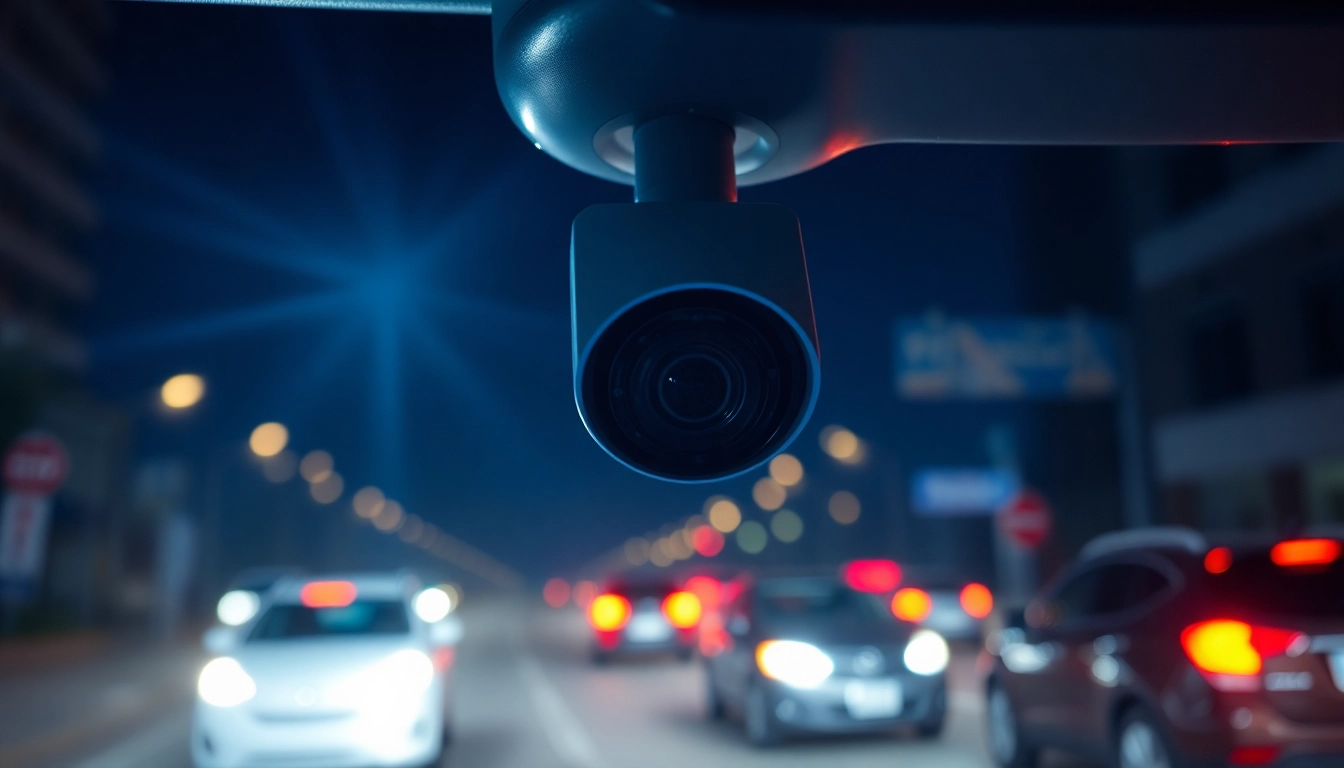
Automatic License Plate Recognition (ALPR) is a technology that utilizes optical character recognition (OCR) on images to identify and process license plates on vehicles automatically. Over time, this technology has gained traction across various industries, primarily in law enforcement, parking management, and traffic analysis. The core of ALPR systems is a camera equipped with software capable of capturing the vehicle’s registration details, converting images of license plates into structured, usable data.
How Does Automatic License Plate Recognition Work?
The process of automatic license plate recognition involves several critical components. Initially, high-resolution cameras capture images of vehicles and their license plates. These images are then transmitted to a processing unit where advanced image processing algorithms analyze them. Using OCR technology, the system converts the visual information on the plate into text. This interpretive process often includes filtering out image noise, correcting distortion, and converting the numbers and letters into a machine-readable format. Ultimately, the recognized data can be cross-referenced against databases for various purposes, such as identifying stolen vehicles or monitoring traffic patterns.
Key Benefits of Automatic License Plate Recognition
The implementation of ALPR technology offers numerous advantages:
- Enhanced Efficiency: ALPR systems can rapidly process vehicle information without the need for manual input, allowing for real-time monitoring and data collection.
- Improved Accuracy: With advanced OCR algorithms, these systems significantly reduce human error often associated with data entry.
- Data Analytics: ALPR technology provides actionable insights through data analytics, enabling users to track vehicle movements, enhance security measures, and streamline operations.
- Cost Savings: By automating license plate reading, organizations can reduce labor costs and enhance service delivery, leading to substantial financial benefits over time.
- Scalability: The technology can be scaled to fit different operational needs, from small parking lots to city-wide traffic management systems.
Applications of Automatic License Plate Recognition
Law Enforcement Use Cases
ALPR technology plays a pivotal role in law enforcement, as it enhances policing capabilities through efficient identification and monitoring of vehicles. Applications include:
- Stolen Vehicle Recovery: ALPR systems can quickly identify stolen vehicles by comparing license plate data against national and local databases.
- Traffic Enforcement: Officers can monitor traffic violations, including speeding and running red lights, by integrating ALPR with existing traffic cameras.
- Criminal Investigations: The historical data collected by ALPR can be invaluable in investigations, helping law enforcement piece together vehicle movements associated with criminal activity.
Parking Management Solutions
In the realm of parking management, ALPR systems enhance efficiency and user experience. Key applications include:
- Automated Billing: Parking facilities utilize ALPR for automatic billing, allowing customers to enter and exit without the need for traditional tickets or cash transactions.
- Space Availability Monitoring: Real-time data on parking space availability helps guide drivers, reducing congestion and improving overall traffic flow.
- Permit Enforcement: ALPR can assist in ensuring that only authorized vehicles are parked in designated areas, promoting compliance with parking regulations.
Traffic Management and Analysis
ALPR technology serves as a critical tool in traffic management, providing valuable data for urban planning and infrastructure development. Important uses include:
- Congestion Monitoring: Traffic authorities use ALPR data to monitor vehicle flow and congestion patterns, allowing for timely interventions and adjustments.
- Accident Analysis: The system aids in analyzing traffic accidents by providing data on the vehicles involved and their movement histories.
- Urban Planning: City planners can leverage ALPR data to make informed decisions regarding infrastructure development, helping to optimize road networks.
Challenges and Limitations of Automatic License Plate Recognition
Privacy Concerns and Regulations
The deployment of ALPR technology raises significant privacy concerns, particularly regarding data collection and retention. Stakeholders must navigate complex regulatory frameworks while ensuring compliance with privacy laws. Public perception around surveillance may drive backlash against excessive monitoring, necessitating transparent practices and clear communication about data use and protection.
Accuracy of Automatic License Plate Recognition Systems
While ALPR systems are generally reliable, factors such as lighting conditions, angles, and weather can impact accuracy. Challenges like dirty license plates, obstructed views, or low-quality camera equipment can lead to misreads. Continuous improvement of algorithms and hardware is essential to mitigate these challenges and enhance performance across varying conditions.
Integration with Existing Infrastructure
Integrating ALPR technology with existing systems, such as traffic cameras or law enforcement databases, presents both technical and logistical challenges. The need for compatible software and hardware can complicate installations, requiring thorough planning and collaboration between technology providers and end-users to ensure seamless deployment and operation.
Best Practices for Implementing Automatic License Plate Recognition
Selecting the Right Technology
Choosing the appropriate ALPR technology is critical for successful implementation. Organizations should consider factors such as camera resolution, processing speed, and compatibility with other systems. Evaluating case studies and user feedback can also provide insights into the best options for specific needs and environments.
Training Personnel for Effective Use
Training staff to effectively use and maintain ALPR systems is essential for maximizing their benefits. Organizations should develop comprehensive training programs that cover system operation, data management, and privacy compliance, ensuring that personnel are equipped to leverage the technology effectively.
Data Management and Security Protocols
Robust data management and security protocols are essential for protecting the sensitive information collected by ALPR systems. Organizations must implement encryption, access controls, and regular audits to secure data against unauthorized access and potential breaches, fostering trust among users and the public.
The Future of Automatic License Plate Recognition
Technological Innovations on the Horizon
As technology continues to evolve, future advancements in ALPR may include AI integration for improved accuracy and efficiency, the incorporation of deeper data analytics capabilities, and enhancements in hardware technology for better performance under diverse conditions. Innovations like predictive analytics could change how data is used, allowing for proactive management and response.
Potential Impacts on Law Enforcement
The continued evolution of ALPR technology is likely to have profound effects on law enforcement practices. Improved accuracy and faster processing times could lead to more effective crime prevention strategies, while the influx of data may necessitate new policies on privacy and civil liberties.
Trends in Public Acceptance and Usage
Public acceptance of ALPR technology will depend on the transparent use of data and proactive engagement from law enforcement and agencies. As communities become more informed about the benefits and safeguards in place, acceptance may grow. Clear communication is key to fostering understanding and trust in these technologies.
Frequently Asked Questions (FAQs)
What is the main purpose of automatic license plate recognition?
The main purpose of ALPR is to automatically capture and interpret vehicle license plate information for various applications, including law enforcement, parking management, and traffick analysis.
Can automatic license plate recognition systems work at night?
Yes, many ALPR systems are equipped with infrared or low-light technology that allows them to capture clear images of license plates in low lighting conditions.
How do ALPR systems handle dirty or obscured plates?
While ALPR systems may struggle with dirty or obscured plates, advancements in image processing help improve recognition rates under less-than-ideal conditions, although accuracy may still vary.
Is data collected by automatic license plate recognition systems secure?
Data security measures, including encryption and access controls, are essential to safeguarding the sensitive information collected by ALPR systems from unauthorized access and breaches.
What industries benefit most from automatic license plate recognition?
Major beneficiaries of ALPR technology include law enforcement, parking management, transportation, and urban planning, utilizing it for enhanced vehicle identification and data analysis.