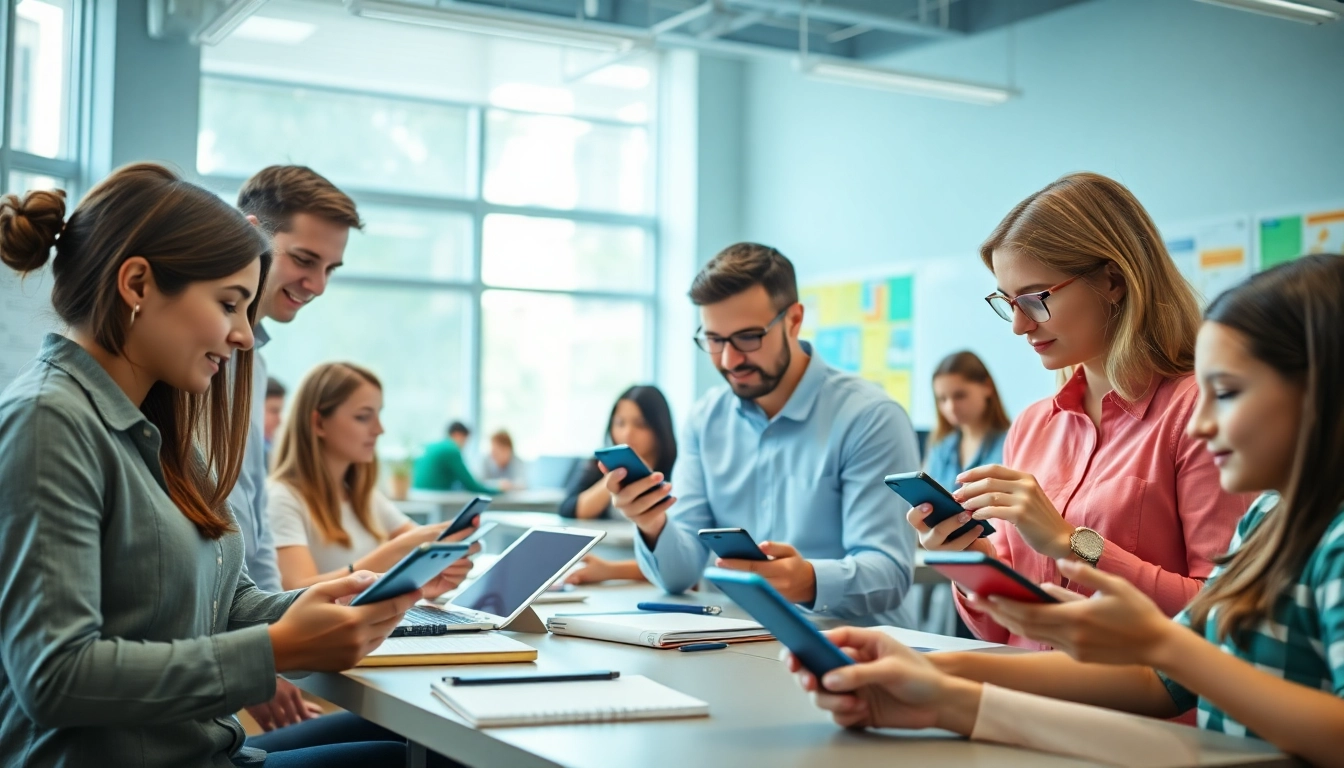
Understanding Smartphone Solution in School Life
In today’s fast-paced educational environment, the integration of technology is more crucial than ever. As schools embrace digital learning, the smartphone solution in school life emerges as a transformative approach. This article explores the multifaceted role of smartphones in educational settings, assessing both their benefits and challenges while emphasizing best practices for implementation, successful case studies, and future trends.
Defining Smartphone Solutions in Education
Smartphone solutions in education refer to the strategic use of smartphones to enhance teaching and learning processes. This entails leveraging mobile devices for educational purposes, such as accessing learning resources, collaborating on projects, and facilitating communication between students and teachers. By categorizing smartphones as essential educational tools rather than mere distractions, schools can harness their full potential.
Why Smartphones Matter in Modern Classrooms
Smartphones are not just personal communication devices; they have become pivotal in modern classrooms. Evidence shows that students retain information better when they can access it through familiar devices. The use of smartphones supports a blended learning model, merging traditional teaching with digital engagement. This shift aligns with the expectations of digital-native students, who favor interactive and multimedia learning environments.
Benefits of Integrating Smartphones into School Life
The integration of smartphones into school life offers numerous benefits:
- Enhanced Learning Experience: Students can access a plethora of online resources, educational apps, and interactive tools that facilitate deeper understanding and engagement.
- Real-Time Collaboration: Smartphones enable students to collaborate in real-time on projects, share notes, and participate in discussions, regardless of their physical location.
- Personalized Learning: With access to adaptive learning technologies, students can tailor their educational journeys to suit their individual needs, promoting self-paced learning.
- Improved Communication: Smartphones facilitate seamless communication between students, teachers, and parents, allowing for timely feedback and support.
- Preparation for the Future: Familiarity with technology prepares students for the digital workforce, equipping them with essential tech skills vital in today’s job market.
Challenges Faced with Smartphone Solution in School Life
Distractions and Classroom Management
While smartphones can enhance learning, they also pose significant challenges. One major issue is distraction. Students may find themselves sidetracked by social media, games, or non-educational content during class. To mitigate this, educators must establish clear guidelines and encourage self-regulation among students.
Equity and Access to Technology
Another challenge is ensuring equitable access to smartphones. Not all students may have the same level of access to devices or internet connectivity, leading to disparities in learning opportunities. Schools must strive for inclusivity by providing resources and support for underprivileged students to ensure that smartphone solutions benefit all learners equally.
Digital Literacy and Student Training
Incorporating smartphones into education necessitates teaching students about digital literacy. Many students may not know how to effectively utilize smartphones for educational purposes. Schools should incorporate training sessions that educate students on responsible usage, internet safety, and the effective search for reliable information online.
Best Practices for Implementing Smartphone Solutions
Creating a Productive Smartphone Policy
Establishing a comprehensive smartphone policy is key to successful integration. This policy should outline acceptable usage, consequences for misuse, and ways to leverage smartphones for educational purposes. Involving stakeholders in policy creation can foster acceptance and adherence among students and parents.
Encouraging Positive Use of Smartphones
Educators should actively promote positive smartphone use by integrating engaging activities that leverage mobile technology. This can include mobile-based quizzes, collaborative projects using apps, or interactive learning platforms. Positively framed usage encourages students to view their devices as tools for learning rather than distractions.
Engaging Parents in Smartphone Education
Parents play a crucial role in the effective use of smartphones in school life. Schools should engage parents by providing workshops or resources that inform them about the benefits and challenges of smartphone usage in education. Encouraging parental involvement creates a supportive learning environment that extends beyond the classroom.
Success Stories of Smartphone Solutions in Schools
Case Studies from Innovative Educational Institutions
Numerous schools have successfully implemented smartphone solutions, showcasing their effectiveness in enhancing educational outcomes. For instance, a school district that introduced a mobile learning initiative reported improved student engagement and higher test scores. These case studies serve as valuable models for others looking to integrate smartphone technology.
Student Testimonials on Learning Experiences
Student feedback is paramount in understanding the impact of smartphone integration. Testimonials often highlight increased motivation and enjoyment in learning, as well as a feeling of empowerment through the use of technology. These personal accounts provide insights into students’ experiences and the positive changes that smartphones can bring to the learning experience.
Metrics for Evaluating Success
Measuring the success of smartphone solutions requires clear metrics. Schools can evaluate effectiveness through academic performance data, engagement surveys, and feedback from students, teachers, and parents. Regular assessment and adaptation of strategies can help improve smartphone integration over time.
Future Trends in Smartphone Solutions for Education
Emerging Educational Technologies
The landscape of educational technology is continuously evolving. Future trends indicate a growth in augmented reality (AR) and virtual reality (VR) applications that can be accessed via smartphones, enhancing experiential learning. These technologies will provide immersive educational experiences that were previously inaccessible.
The Role of Artificial Intelligence and Apps
Artificial intelligence is set to revolutionize educational tools further. AI-driven applications can provide personalized learning experiences tailored to individual student needs, helping to bridge learning gaps effectively. This trend suggests a future where smartphones are central to customized educational approaches.
Preparing for Tomorrow’s Classroom Innovations
As technology continues to evolve, preparing for tomorrow’s innovations is essential. Schools need to adopt flexible strategies that embrace emerging technologies while being mindful of maintaining balance to avoid digital burnout among students. Continuous professional development for educators will also be vital in navigating these changes successfully.
Frequently Asked Questions
How can smartphones improve learning outcomes?
Smartphones enhance learning by providing access to educational apps, real-time collaboration, and resources that cater to diverse learning styles, fostering engagement and retention.
What are the main challenges of using smartphones in schools?
Challenges include distractions, equity issues related to access, and the need for teaching digital literacy to students, which must be addressed through policy and training.
How can schools create effective smartphone policies?
Effective smartphone policies should involve input from stakeholders, clearly define acceptable use, establish consequences for misuse, and focus on promoting educational apps and resources.
How can parents support smartphone use in education?
Parents can support smartphone use by engaging in their children’s learning, attending workshops, and discussing appropriate and effective ways to utilize their devices for study.
What future educational technologies will influence smartphone use?
Emerging technologies like augmented reality, virtual reality, and AI-driven applications are set to significantly influence smartphone usage, enhancing interactive and personalized learning experiences.