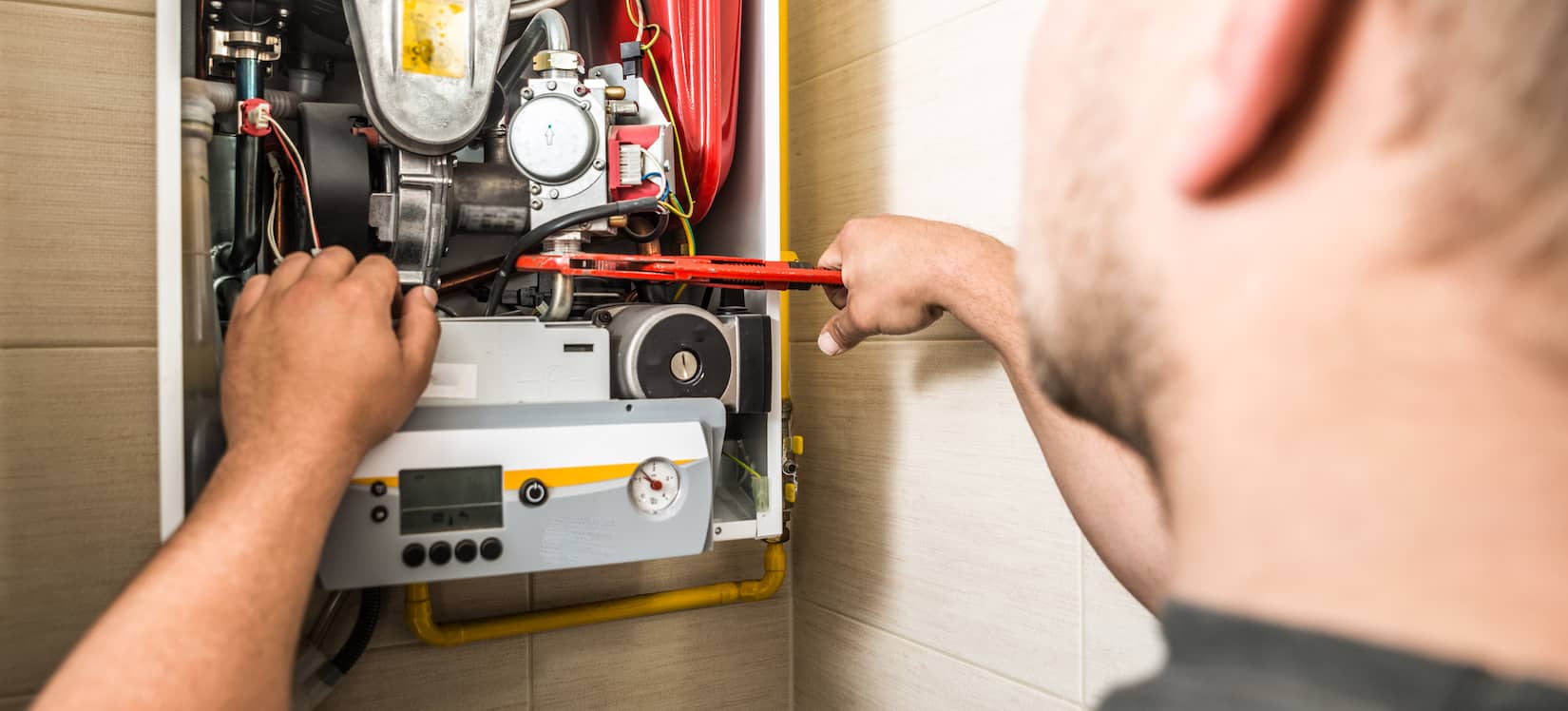
The Importance of Regular Furnace Maintenance Services
When the chill of winter sets in, the last thing on your mind should be whether your home furnace is up to the task. Regular furnace maintenance services ensure that your heating system operates efficiently, providing comfort and safety for you and your family. As a homeowner, understanding the significance of routine furnace upkeep can dramatically improve the lifespan of your system and lower energy bills while preventing unexpected breakdowns.
Understanding Your Furnace and Its Needs
Each type of furnace—be it gas, electric, or oil—has specific maintenance requirements. Understanding these individual needs is crucial. For instance, a gas furnace requires regular checks for leaks and proper venting, while an electric furnace might require inspections of heating elements and electrical connections. Familiarizing yourself with your furnace’s layout and operations can significantly enhance the effectiveness of your maintenance efforts. Regular filter changes and cleaning tasks are essential for all furnace types to maintain optimal airflow and efficiency.
The Benefits of Regular Maintenance
Regular furnace maintenance comes with a myriad of benefits. Primarily, it improves efficiency: a well-maintained furnace uses less energy to heat your home, leading to lower utility bills. Furthermore, consistent care can enhance air quality by preventing dust and airborne particles from circulating in your home. Regular checks also help identify potential issues before they escalate, saving you from costly repairs and extending your furnace’s lifespan significantly.
Consequences of Neglecting Maintenance
Neglecting furnace maintenance can lead to severe repercussions. Deterioration of components due to lack of care can result in significant system failures. Common issues include decreased heating efficiency, increased energy bills, and a heightened risk of carbon monoxide leaks, which can be life-threatening. Ultimately, ignoring maintenance can lead to the need for an early replacement, resulting in considerable expense and disruption.
Key Steps in Furnace Maintenance Services
Basic Cleaning Procedures for Homeowners
Homeowners can take several proactive steps for basic furnace maintenance. Start with replacing or cleaning air filters monthly, as dirty filters restrict airflow, forcing the furnace to work harder. Dusting and vacuuming areas around the furnace can ensure proper airflow and reduce potential fire hazards. Additionally, clean intake vents and clear any obstructions that may block airflow. A visual inspection of the furnace’s overall condition can also help catch issues early.
Professional Maintenance Services Overview
While homeowners can perform basic upkeep, professional maintenance is crucial for comprehensive care. A qualified technician will conduct a thorough inspection, including checking ductwork for leaks, examining gas lines for safety, and testing ignition systems. Many professionals also clean the heat exchanger and burners, adjusting settings to optimize performance. Regular tune-ups not only enhance comfort but also ensure compliance with safety standards.
When to Call an Expert for Maintenance
Knowing when to call in an expert is vital. Schedule professional maintenance at least once a year, ideally before the heating season kicks in. If you notice unusual sounds from your furnace, inconsistent heating, or higher energy bills without explanation, these are signs that professional attention is necessary. Do not wait until a complete breakdown occurs; it is always better to be proactive about your furnace’s health.
Identifying Common Furnace Issues
Signs Your Furnace Needs Maintenance
Regularly monitoring your furnace’s performance can help identify when maintenance is required. Common signs include poor airflow, irregular temperatures throughout your home, and foul smells. If your furnace frequently cycles on and off, this short cycling indicates a malfunctioning thermostat or airflow issue. Being attuned to these signs can save you from larger problems down the line.
Potential Problems to Look Out For
Some problems might require immediate professional help. These include strange noises such as banging, whining, or clanking, which often indicate loose or damaged parts. A yellow pilot light versus a blue one also signals combustion issues. Other red flags are an increase in humidity levels indoors or signs of water leaks around the furnace area. Early identification of these issues allows for prompt remedial action.
Maintenance Misconceptions Explained
Many homeowners hold misconceptions regarding furnace maintenance. A common myth is that maintenance is only necessary when problems arise; in reality, preventive measures are far more effective. Another misconception is that newer models do not require maintenance, while in fact, even modern furnaces benefit from routine checks. Clearing away these myths can foster a better understanding of how to keep your heating system in peak condition.
The Role of Seasonality in Furnace Maintenance Services
Winter Preparation Checklist
Preparing your furnace for winter involves a series of essential steps. First, change or clean filters, ensuring unobstructed airflow. Next, check the thermostat settings, confirming it functions correctly and accurately reflects the desired temperatures. Additionally, ensure that all vents are clear and unobstructed; this is essential for optimal performance. Consider scheduling a comprehensive inspection with a professional to ensure a reliable start to the heating season.
Off-Season Maintenance Strategies
Off-season maintenance is just as important. During warmer months, keep your furnace clean and clear of debris. It’s also a good time to inspect and clean venting systems, as dust and dirt can accumulate over time. In addition, ensure that the thermostat is undisturbed and functioning correctly. Investing time in off-season maintenance keeps your furnace in great condition and ready for action when winter returns.
Year-Round Care Tips for Your Furnace
Year-round care for your furnace is an excellent strategy for maintaining efficiency. Keep an eye on air filters, change them regularly, and maintain free and clear access to the furnace. Invest in a programmable thermostat, which can optimize heating schedules and reduce energy bills. Lastly, it can be beneficial to keep an annual maintenance schedule, ensuring that both basic and professional service occur regularly and timely.
FAQs About Furnace Maintenance Services
How often should I schedule maintenance?
For optimal performance, schedule professional maintenance annually, ideally before the heating season begins.
What does a typical maintenance service include?
A typical maintenance service includes inspection, cleaning, and tuning of the furnace, checking for issues, and ensuring optimal performance.
Can I perform maintenance myself?
Homeowners can perform basic tasks like changing filters and cleaning, but professional maintenance is essential for comprehensive care and safety.
What are the signs of an inefficient furnace?
Signs include increased energy bills, inconsistent heating, unusual noises, and the thermostat not accurately reflecting indoor temperatures.
How can I improve my furnace’s lifespan?
Improving your furnace’s lifespan involves regular maintenance, timely repairs, cleaning ducts, and ensuring proper insulation in your home.